Understanding Cape Cod Homes
Cape Cod homes are a beloved architectural style that evoke images of quaint charm and seaside living. Originally developed in the early 1600s, these houses were designed to withstand the harsh weather conditions of New England. Today, cape cod homes represent not just a historical significance but also a timeless aesthetic balance that continues to attract homeowners.
History and Characteristics of Cape Cod Homes
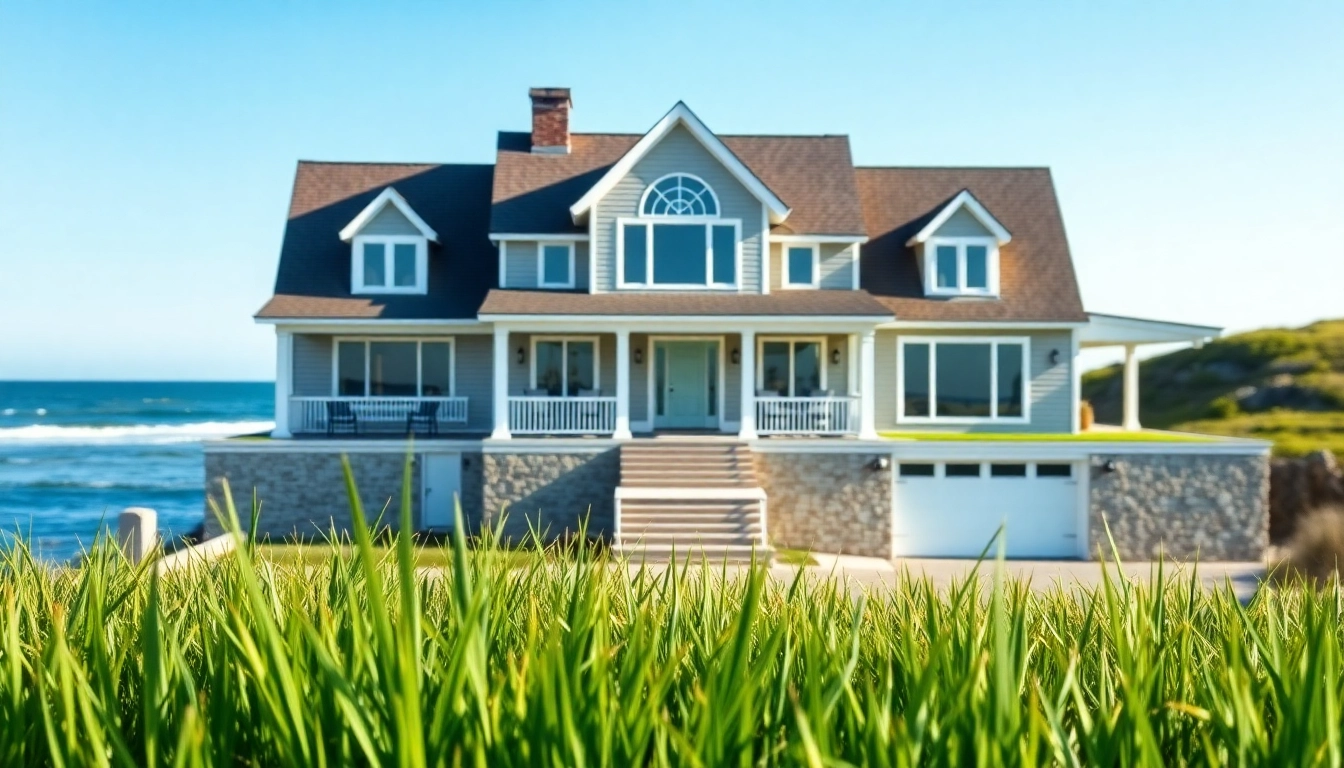
The historical roots of Cape Cod homes can be traced back to the early settlers of the region. These homes were designed as simple one-and-a-half-story structures with steep roofs to facilitate snow removal, small windows to minimize heat loss, and symmetrical facades. Typically constructed using local timber, the homes boasted a durable style that reflected the resourcefulness of their builders. Characteristically, they feature:
- Clapboard siding, often painted in soft, muted colors.
- Gabled roofs that provide not only aesthetic appeal but also functionality.
- Chimneys placed centrally to enhance heating efficiency.
- Dormer windows that offer additional light and ventilation in the upper living spaces.
Why Cape Cod Homes Are Popular
The enduring popularity of Cape Cod homes can be attributed to several factors. First, their timeless aesthetic evokes a sense of nostalgia, which resonates with many homeowners seeking comfort and classic design. Furthermore, these homes are often associated with a strong connection to nature, especially in coastal regions where they blend seamlessly with their surroundings.
Additionally, the practicality of these design elements caters to modern living. With an efficient use of space and an emphasis on functionality, they can serve various purposes. Whether as a vacation getaway or a year-round residence, Cape Cod homes embody a lifestyle choice that many aspire to achieve.
Architectural Styles and Features
Cape Cod homes have evolved over the centuries, and various architectural styles have emerged while retaining the essence of the original design. Popular styles include:
- Traditional Cape Cod: This retains features from the early iterations, typically including symmetrical facades and central chimneys.
- Modern Cape Cod: A contemporary twist on the classic design, featuring open floor plans, larger windows, and modern materials.
- Colonial Revival: This style incorporates historical elements while adding features like front porches and more elaborate detailing.
Each style's blend of classic elements and modern conveniences allows homeowners to personalize their spaces while keeping true to the Cape Cod aesthetic.
Benefits of Home Expansion
As families grow and lifestyles change, the need for more living space becomes increasingly important. Home expansion, particularly for Cape Cod homes, offers numerous benefits that can enhance both functionality and property value.
Increased Living Space and Functionality
One of the primary benefits of expanding a Cape Cod home is the increased living space. Perhaps you wish for a family room, an additional bedroom, or even a home office. By expanding, you create a more functional living area that can accommodate your specific needs. Moreover, thoughtful design can ensure that the new space feels integrated with the home, maintaining the flow needed for comfortable living.
Enhancing Property Value
Another advantage of home expansion is the potential increase in property value. When you enhance your living space, you naturally add value to your home. This increase can be especially significant in communities where Cape Cod homes are highly sought after. Market demand often rewards homeowners who invest in expansions, making it a sound financial decision.
Seamless Integration with Existing Architecture
Home expansions can be designed to seamlessly integrate with the current architectural style of a Cape Cod home. By considering materials, rooflines, and window styles, homeowners can ensure that the new space feels like a natural extension of the original structure. A well-executed expansion can enhance curb appeal while preserving the charm of the original design.
Design Ideas for Successful Expansion
When it comes to expanding your Cape Cod home, thoughtful design is essential to achieving a harmonious balance between the existing structure and new spaces. Below, we explore some innovative design ideas for successful expansion.
Choosing the Right Style for Your Cape Cod Home
Before embarking on an expansion, it's important to select a design that complements the existing architectural style. For example, if your home is a traditional Cape Cod, the addition should also reflect its simplicity and symmetry. Collaborating with an architect familiar with Cape Cod design elements can lead to the best results.
Maximizing Natural Light and Space
Natural light can dramatically enhance the ambiance of your home. Consider adding large windows or skylights to your expanded space to create an airy atmosphere while maximizing views of the outdoors. Open floor plans can also help create a sense of spaciousness, connecting interiors with exterior views.
Landscaping Considerations
Effective landscaping can enhance the appearance of your home after its expansion. Consider planting native species that thrive in the coastal climate, and arrange gardens that complement the new structure. Outdoor space can be integrated with patios or decks that encourage alfresco living, creating additional connections between your home and its surroundings.
Adding an Attached Garage
An attached garage can be an invaluable addition to a Cape Cod home, offering both practical benefits and aesthetic appeal. Let’s delve into the advantages of incorporating an attached garage into your home expansion plans.
Practical Benefits of an Attached Garage
One of the primary reasons homeowners choose to add an attached garage is convenience. Having direct access to your vehicle, especially in inclement weather, makes daily routines smoother. Additionally, an attached garage can serve multiple purposes, such as storage, a workshop, or even an exercise area, depending on your needs.
Designing Your Garage to Match Your Home
When planning your attached garage, pay close attention to design elements that harmonize with your Cape Cod home's aesthetics. Consider matching the color palette, roofing materials, and window styles to ensure a cohesive look. An architect can help you design a garage that not only serves its practical purpose but contributes to the overall beauty of your home.
Storage Solutions and Space Maximization
Storage is often one of the most critical aspects of home design. Utilize the vertical space in your attached garage by installing shelving, cabinets, and hooks for bicycles, tools, and seasonal items. Smart organization can transform your garage into an efficient area, perfect for keeping everyday clutter at bay.
FAQs About Cape Cod Home Expansions
What are typical features of cape cod homes?
Typical features of cape cod homes include steep gabled roofs, symmetrical facades, dormer windows for added light, and clapboard siding, often in muted colors. They embody a simple yet charming aesthetic.
How can I determine the best expansion options?
To determine the best expansion options, assess your specific needs, consult an architect to explore design possibilities, and consider how an expansion will integrate with your existing home and landscape.
Will an expansion reduce my home's value?
No, an expansion typically increases a home's value, especially if executed well. It enhances functionality and increases usable space, appealing to future buyers in the market.
What design elements work best for a new garage?
Design elements for a new garage should match your home's style. Features like similar roofing materials, aligned window styles, and cohesive color schemes will create a harmonious look.
How can I ensure my renovation is appealing?
To ensure your renovation is appealing, prioritize quality materials, maintain architectural consistency, and consider functional arrangements that enhance usability and aesthetic value. Consulting professionals can also guide the process.