
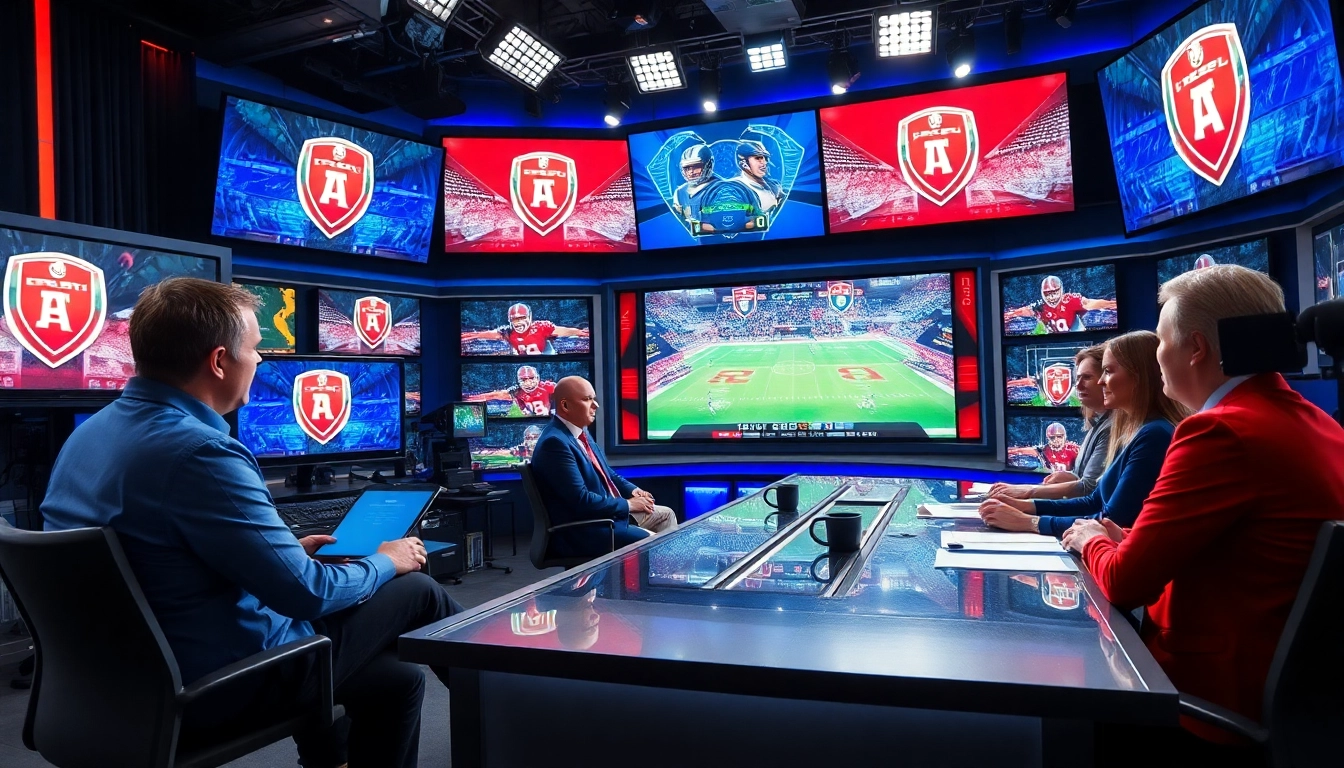
Understanding the Landscape of Sports Broadcasting
Sports broadcasting has evolved dramatically over the years, transitioning from simple radio play-by-play to complex multi-platform broadcasts that integrate cutting-edge technology and cater to diverse audiences worldwide. As the demand for live sports content continues to grow, it is essential to understand how this industry operates, its historical context, and the current trends shaping its future. For those looking to dive deeper into the complexities of Sports Broadcasting, a comprehensive exploration is crucial to unlocking potential opportunities in this field.
History of Sports Broadcasting
The origins of sports broadcasting can be traced back to early radio broadcasts in the 1920s, which provided play-by-play commentary of various sporting events. These broadcasts not only enhanced the experience of listening to the games but also expanded the reach of sport to audiences far beyond the stadiums. By the 1950s, television emerged as the dominant medium, fundamentally changing how fans consumed sports. Iconic events like the Super Bowl and the World Series became national spectacles, drawing millions of viewers.
As technology progressed, so did sports broadcasting. The introduction of color television, instant replay, and cable networks revolutionized the viewing experience, allowing fans to experience sports as never before. The digital age ushered in streaming services and social media, providing additional layers of engagement, while mobile technology afforded fans the ability to watch games on-the-go, thereby altering the entire landscape of sports consumption.
Current Trends in Sports Broadcasting
Today, sports broadcasting is characterized by a myriad of innovative trends. One significant trend is the rise of streaming platforms, which are increasingly becoming the go-to source for live sports. Traditional networks are challenged to adapt as services like OTT (Over-The-Top) platforms gain traction. Additionally, the integration of augmented and virtual reality technologies enhances the experience by providing immersive ways to engage with the game.
Moreover, there is an increasing focus on tailored content for niche audiences. Networks are expanding their coverage to include women's sports, esports, and less mainstream activities, capitalizing on specific fan demographics and creating loyal viewership bases. The use of social media platforms for live commentary and short-form video content also plays a crucial role in engaging younger audiences.
Key Players in Sports Broadcasting
The landscape of sports broadcasting is populated by various stakeholders, including networks, leagues, teams, and advertisers. Major broadcasting networks such as ESPN and NBC are well-known for their extensive coverage of pivotal sports events and championships. Furthermore, leagues like the NFL, NBA, and FIFA are equally important, as they negotiate broadcasting rights, ensuring that their content reaches global audiences.
In recent years, tech companies have joined the fray, leveraging their platforms to offer streaming capabilities alongside exclusive content. These companies challenge traditional networks while fostering partnerships that shape the future of sports broadcasting. Advertisers, too, have recognized the importance of this medium, investing in sophisticated advertising campaigns that target specific audience segments across platforms.
Core Elements of Sports Broadcasting
Essential Equipment for Sports Broadcasting
At the heart of sports broadcasting lies a selection of essential equipment that ensures high-quality transmissions. Cameras are the unsung heroes of broadcasting, with advancements in technology leading to the utilization of ultra-high-definition cameras, drones, and even 360-degree cameras. Professional-grade microphones are crucial for capturing clear sounds, while graphics software enhances the viewing experience with real-time statistics and visual effects.
Mixing consoles and broadcasting software play a pivotal role in ensuring seamless production, allowing operators to mix various audio and visual elements efficiently. Additionally, reliable internet connections and streaming platforms are essential, especially for live broadcasts, where technical glitches can significantly disrupt the viewer experience.
Choosing the Right Broadcast Formats
As sports broadcasting continues to evolve, selecting the right format becomes paramount. Live broadcasts are the traditional option and remain highly favored among audiences for their immediacy. However, other formats, such as highlights, live podcasts, and web series, are gaining popularity due to their flexibility and accessibility.
Furthermore, incorporating innovative formats like 4D broadcasts and interactive features can significantly enhance viewer engagement. Content distribution is equally important; whether through traditional television, social media, or streaming services, how and where content is distributed can vastly affect viewership numbers and audience satisfaction.
Importance of Quality Production
Quality production is non-negotiable in sports broadcasting. Viewers expect crisp visuals, clear audio, and engaging commentary. Any deficiencies in production quality can lead to audience dissatisfaction and attrition. Thus, networks invest heavily in rehearsals, technical checks, and equipment calibration to deliver a flawless viewing experience.
Moreover, storytelling—integrating human interest elements and dramatic narratives—enhances engagement. Skilled commentators and producers work collaboratively to ensure that broadcasts resonate with viewers on emotional and intellectual levels, fostering a deep-rooted connection with the sport.
Challenges Faced in Sports Broadcasting
Technical Challenges in Live Broadcasts
Live broadcasts are fraught with technical challenges ranging from equipment malfunctions to connectivity issues. Such problems can jeopardize the success of an event, leading to significant financial losses for networks and resulting in frustrated audiences. Comprehensive pre-event testing, skilled technicians on-site, and contingency plans are critical components in addressing these challenges.
Moreover, as broadcasting technologies evolve, staying current with the latest innovations is essential. Ignoring advancements can lead to diminished competitiveness and inferior viewer experiences.
Legal and Ethical Considerations
Legal and ethical considerations are paramount within sports broadcasting, encompassing copyright issues and licensing agreements. Network providers must navigate complex regulations governing broadcasting rights and intellectual property, often leading to disputes between companies. Additionally, ethical considerations emerged, particularly regarding the representation of athletes and the inclusion of diverse voices within sports broadcasting.
Transparency, ethical storytelling, and responsible journalism play significant roles in shaping public perception of sports broadcasters, making their commitment to these principles crucial in building lasting trust with their audience.
Managing Audience Engagement
With the incessant distractions of modern media consumption, managing audience engagement becomes increasingly difficult. Broadcasters must innovate continually to maintain viewership, implementing strategies such as interactive polls, real-time analytics, and social media interaction during broadcasts. They must also adapt their content catering specifically to the preferences of varying demographics and utilizing data analytics to understand viewer behavior.
By harnessing technology like augmented reality and personalized content recommendations, broadcasters can enhance engagement and create memorable experiences for fans, ensuring they return for future events.
Innovations Transforming Sports Broadcasting
Emerging Technologies in Broadcasting
Emerging technologies are at the forefront of transforming sports broadcasting. Artificial intelligence and machine learning are increasingly being adopted to refine content curation, automate highlight creation, and deliver personalized viewing experiences. Drones are also making paths into aerial views of sporting events, providing fans with unique perspectives that were once unattainable.
Moreover, the utilization of virtual and augmented reality is expanding rapidly, with immersive technologies offering fans the chance to experience games as if they were physically in the arena. This shift towards experiential broadcasting is crucial in meeting the demands of tech-savvy audiences.
Data Analytics and Audience Insights
Data analytics have become a powerful tool for sports broadcasters to understand viewer preferences and behavior patterns. By tracking metrics such as viewership numbers, engagement rates, and demographic analytics, broadcasters can make informed decisions about content delivery and marketing strategies. This data-driven approach is essential for refining broadcast techniques and enhancing overall viewer satisfaction.
Leveraging audience insights enables broadcasters to tailor their content strategies, creating personalized experiences that resonate deeply with fans. This not only enhances engagement but also drives loyalty, leading to sustained viewership.
Future of Sports Broadcasting
The future of sports broadcasting is poised for exciting advancements. As technologies continue to evolve, we can expect more integration of AI, machine learning, and spatial computing that will enhance interactive experiences. The growth of blockchain technology may also reshape content distribution and monetization frameworks in broadcasting.
Viewer habits will likely dictate the direction of future broadcasts, with personalized content recommendations and interactive elements playing a crucial role in retention strategies. As competition among platforms intensifies, creating distinctive and engaging experiences will be vital for survival in this fast-evolving landscape.
Measuring Success in Sports Broadcasting
Key Performance Indicators to Track
To gauge the success of a sports broadcasting initiative, various Key Performance Indicators (KPIs) should be monitored. Metrics such as Total Viewership, Average Watch Time, and Viewer Retention Rate provide a broad picture of how audiences are responding to broadcasts. Tracking Social Media Engagement, including likes, shares, comments, and interactions, also offers insights into fan sentiment and engagement levels.
Broadcasters must continuously adapt their strategies based on these metrics to refine their offerings and ultimately enhance viewer satisfaction.
Impact of Viewership Metrics
Viewership metrics play a direct role in shaping the narratives within sports broadcasting. Advertisers hinge their investments on these numbers, often dictating the price for commercial slots during prime programming events. An uptick in viewership not only attracts advertising dollars but also expands opportunities for sponsors, partnerships, and future content collaborations.
Broadcasters must recognize the importance of these metrics to maximize their visibility and financial viability in a competitive market.
Strategies for Improving Engagement
Improving audience engagement is an ongoing challenge that mandates innovative strategies. Regular feedback loops through surveys and social media monitoring can provide critical insights into viewer preferences. Incorporating interactive elements—such as live Q&A sessions, polls, and fantasy leagues—into broadcasts can sustain interest and facilitate community building.
Collaborating with influencers and leveraging social media platforms for content promotion can also reach wider audiences, thus enhancing overall engagement. By proactively adapting to audience feedback and evolving trends, broadcasters can maintain relevancy and loyalty in the ever-changing landscape of sports consumption.
Frequently Asked Questions (FAQs)
What is Sports Broadcasting? Sports broadcasting encompasses the live coverage and presentation of sporting events on various media platforms.
How do I get started in Sports Broadcasting? Begin by studying media or communications, internship experiences, and practicing with broadcasting equipment.
What technologies are used in Sports Broadcasting? Technologies include cameras, graphics software, microphones, and streaming platforms for live broadcasts.
How do networks monetize Sports Broadcasting? Networks monetize by selling advertising slots, securing sponsorships, and charging licensing fees for content.
What are the future trends in Sports Broadcasting? Future trends include increased use of AI, enhanced data analytics, and virtual viewing experiences.