Understanding Long Island Wines and Their Unique Characteristics
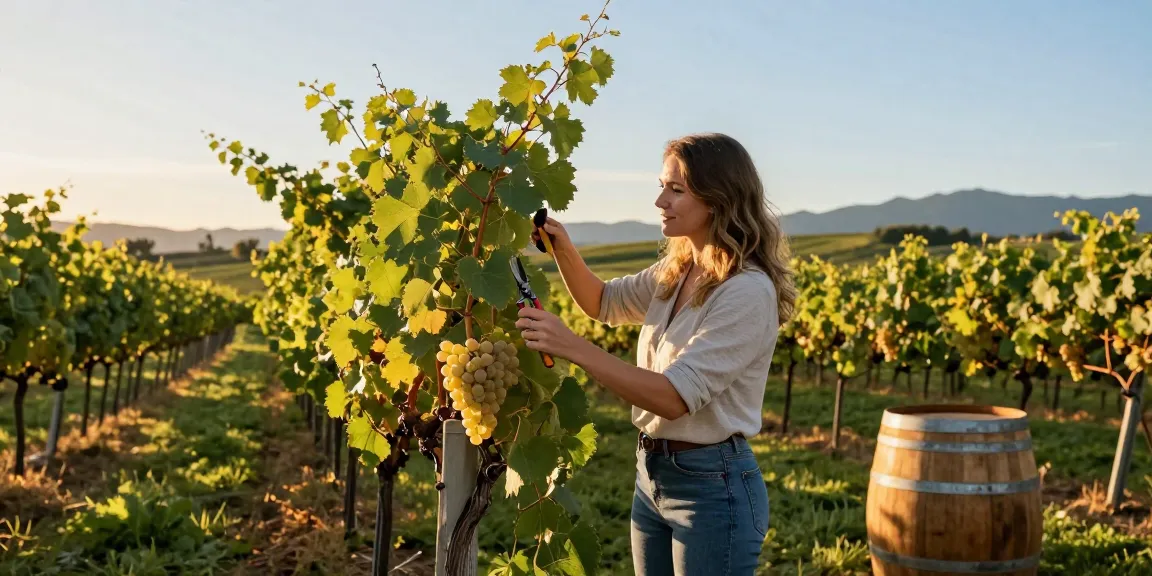
Long Island has emerged as a notable player in the wine industry, distinguished by its unique terroir, diverse grape varietals, and an unwavering commitment to quality. The region has evolved dramatically over the past few decades, transforming from a little-known entity to a celebrated wine-producing area. This article delves into the distinctive characteristics of Long Island wines, exploring the factors that set them apart, the varieties available, and the best ways to enjoy these exquisite offerings. For those looking to explore comprehensive insights into Long island wines, there is a wealth of information available to guide your discoveries.
What Defines Long Island Wines?
Long Island wines are defined by their unique blend of climate, geography, and viticultural practices. The region is known for its maritime climate, which plays a crucial role in grape cultivation. The proximity to the Atlantic Ocean moderates temperatures, helping to preserve acidity and promote fruit ripening. This results in wines that are balanced and expressive, often showcasing bright fruit flavours and a refreshing elegance.
Moreover, the soil composition across Long Island is diverse, featuring glacial till, loamy soils, and sandy varieties that contribute to the complexity of the wines. These characteristics lead to the production of distinctive varietals, each reflecting the nuances of the land.
Different Varieties and Their Distinct Flavours
The varietals cultivated in Long Island span a broad spectrum, including both international and native grapes. Among the most prominent are Cabernet Sauvignon, Merlot, Chardonnay, and Riesling. Each of these grapes thrives in the region's unique conditions, producing exceptional wines with distinct flavours:
- Cabernet Sauvignon: Known for its bold structure, this varietal offers notes of dark fruits, tobacco, and spice.
- Merlot: Often celebrated for its smoothness, Long Island Merlots feature flavours of blackberry, plum, and cocoa.
- Chardonnay: This versatile grape can produce a range of styles—from crisp and mineral-driven to rich and buttery, showcasing apple, pear, and tropical fruit notes.
- Riesling: Recognized for its floral characteristics and vibrant acidity, Long Island Rieslings often express flavours of stone fruit and citrus.
The Role of Climate in Wine Production
The climate of Long Island, influenced heavily by the surrounding waters, creates ideal conditions for viticulture. The area experiences a long growing season with ample sunlight, which enables grapes to achieve full ripeness while retaining their natural acidity. This is particularly important for white wines, which rely on acidity for balance.
Additionally, the maritime influences mitigate the risk of frost damage during critical growth periods, ensuring a more consistent yield each year. This climate is a key ingredient in the recipe for producing exceptional Long Island wines that continue to gain recognition on the global stage.
Exploring the Best Long Island Wineries
When visiting Long Island, the abundance of wineries to explore is truly overwhelming. Each winery provides a unique perspective on winemaking, showcasing local terroir and innovative practices. Some of the standout wineries include:
Top Wineries to Visit on Long Island
1. Wölffer Estate Vineyard: Known for its stunning estate and elegant wines, Wölffer produces exceptional rosés and blends that capture the spirit of Long Island.
2. Bedell Cellars: This family-owned winery emphasizes sustainable farming practices and offers a delightful selection of wines, including award-winning Merlot and Cabernet Sauvignon.
3. Channing Daughters Winery: Renowned for its experimental approach, Channing Daughters produces a variety of blends and single varietals, often utilising lesser-known grapes.
What to Expect During a Wine Tasting Experience
Wine tasting on Long Island often transcends the mere act of sampling different wines; it is an experience that engages all the senses. Most wineries offer guided tastings, where knowledgeable staff provide insights into the winemaking process, the history of the vineyard, and the unique characteristics of each wine.
Visitors can expect to enjoy beautiful vineyard views, often complemented by gourmet food pairings that enhance the tasting experience. Many wineries also host events, live music, and art exhibitions, making each visit unique and memorable.
Upcoming Events and Festivals Celebrating Long Island Wines
Throughout the year, Long Island wines are celebrated at various festivals and events, bringing together wine enthusiasts, local cuisine, and live entertainment. Notable events include:
- Long Island Wine & Food Festival: A two-day event featuring tastings, food pairings, and culinary demonstrations from local chefs.
- Harvest Festivals: Celebrating the grape harvest with special tastings, live music, and seasonal food offerings.
- Winery Tours and Open Houses: Many wineries host special tours to showcase their vineyards and winemaking facilities, offering insights into their processes.
How to Pair Long Island Wines with Food
The art of pairing wine with food can elevate the dining experience. Long Island wines, with their range of flavours and styles, offer diverse pairing opportunities. Here are some tips for expertly pairing:
Best Food Pairings for Popular Long Island Wines
1. Cabernet Sauvignon: Pairs well with grilled meats, hearty stews, or rich, aged cheeses.
2. Merlot: Complements roasted chicken, pork dishes, and mushroom risottos.
3. Chardonnay: Best served with seafood, creamy pasta, or chicken in white sauce.
4. Riesling: A perfect match for spicy Asian cuisines or rich desserts like cheesecake.
Creating Memorable Wine and Dine Experiences
To create unforgettable wine and dine moments, consider curating a tasting menu that reflects the flavours of Long Island wines. Start with a refreshing appetizer paired with a crisp Sauvignon Blanc, followed by a main course that complements a bold Merlot, and finish with a dessert that highlights the complexity of a dessert wine. Inviting family and friends to share in this experience can make it all the more special.
Seasonal Recipes to Complement Long Island Wines
Utilising seasonal ingredients can enhance the pairing experience further. In spring, consider a salad of fresh greens and local strawberries paired with a chilled rosé. In autumn, a roasted vegetable medley would beautifully complement a fruity Pinot Noir. Collaborating with local farmers and producers also supports the region’s sustainable practices.
Investing in Long Island Wines: A Growing Market
As demand for quality wines grows, investing in Long Island wines has emerged as an intriguing opportunity. The region's attention to craftsmanship and innovation is driving a positive trajectory for wine enthusiasts and investors alike.
Understanding the Investment Potential of Long Island Wines
Investors are increasingly recognising the potential of Long Island wines, as they often appreciate in value over time, particularly those from premium vineyards. Limited production wines, in particular, can yield significant returns, as they become sought after by collectors.
Factors Influencing Prices in the Wine Market
Several factors influence wine prices, including the reputation of the winery, quality of the vintage, and demand within the market. Limited releases and award-winning wines often command higher prices, reflecting their desirability.
Future Trends in Wine Investment for 2026
As we look towards 2026, trends indicate a growing interest in sustainable and organic wines. Consumers are becoming more discerning, leading to an increased demand for wines produced with environmentally friendly practices. Additionally, as the reputation of Long Island wines continues to rise, we may see new investment opportunities stemming from avant-garde practices and innovations in winemaking.
Discovering Sustainability Practices in Long Island Winemaking
Sustainability is a cornerstone of Long Island winemaking, with many wineries adopting eco-friendly practices to reduce their environmental impact and produce high-quality wines. This commitment to sustainability is not only beneficial for the environment but also resonates with environmentally conscious consumers.
The Importance of Sustainable Practices in Winemaking
With the effects of climate change becoming increasingly apparent, wineries are implementing sustainable practices to preserve the land and resources. These practices include using cover crops to promote soil health, employing integrated pest management techniques, and implementing water conservation strategies.
How Local Wineries Are Reducing Their Carbon Footprint
Many Long Island wineries have embraced renewable energy sources, such as solar panels, to power their operations. Additionally, several wineries have adopted sustainable farming techniques, such as using biodynamic methods, which can enhance biodiversity and improve the soil ecosystem.
Consumer Demand for Eco-Friendly Wines
As consumer awareness of sustainability grows, so does the demand for eco-friendly wines. Wineries that prioritise sustainable practices are often more appealing to a younger demographic, who are increasingly seeking out products that align with their values. This enhancement of consumer loyalty can propel Long Island wines to even greater heights in the competitive market.