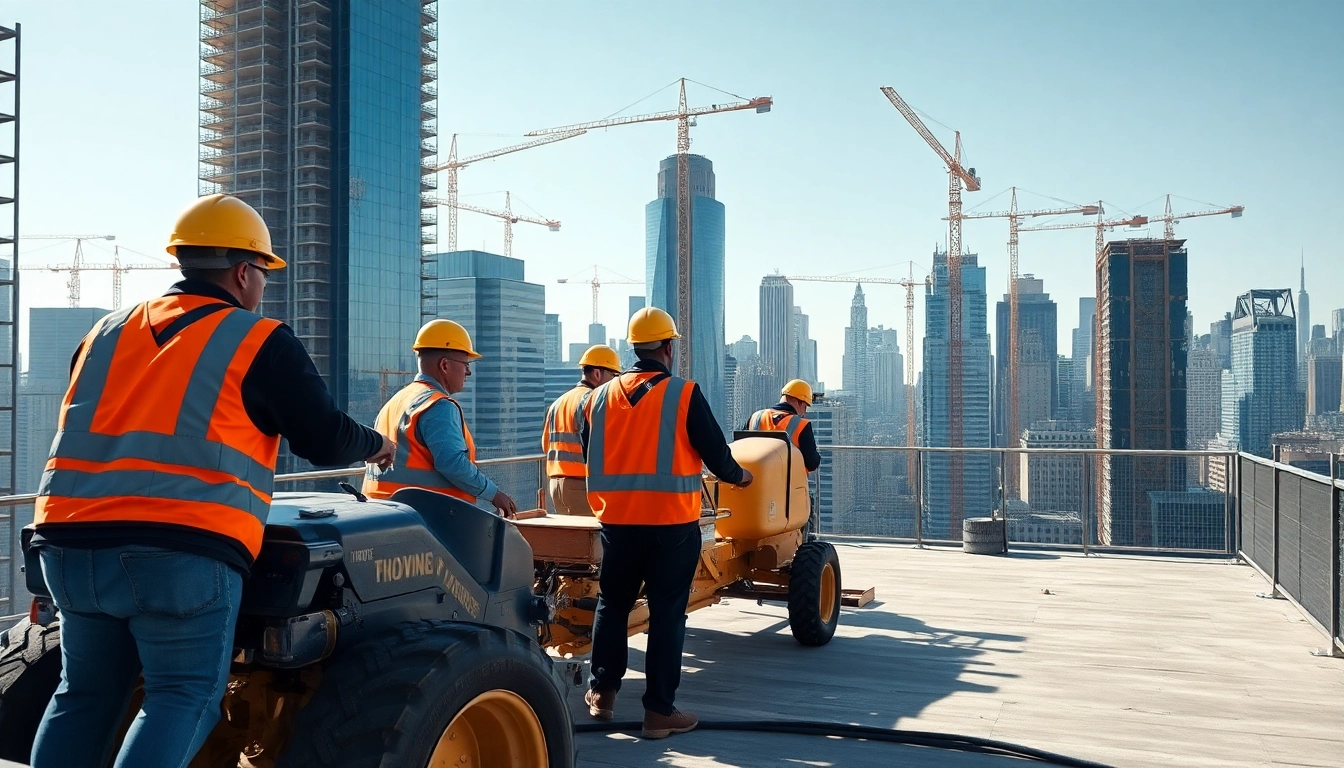

Understanding the Role of a New Jersey Commercial General Contractor
Definition and Responsibilities
A New Jersey Commercial General Contractor is pivotal in the construction industry, acting as the principal party responsible for the overall management of a construction project. Their primary responsibility encompasses supervising and coordinating various contractors and subcontractors, ensuring that the project adheres to plans, specifications, safety standards, and timeline requirements. Contractors play a crucial role in budget management, material procurement, and staff engagement while maintaining communication with project stakeholders, including clients, architects, and engineers.
Types of Projects Managed
New Jersey commercial general contractors manage a diverse array of projects that span several sectors. These often include:
- Retail Spaces: Constructing shopping centers, stores, and outlets.
- Office Buildings: Developing commercial offices, coworking spaces, and corporate headquarters.
- Industrial Projects: Building warehouses, factories, and distribution centers.
- Healthcare Facilities: Constructing hospitals, clinics, and specialized medical facilities.
- Educational Institutions: Renovating or building schools, universities, and training centers.
Each of these project types requires specific expertise in building codes, regulations, and industry standards, which the contractor must adeptly navigate.
Regulatory Considerations
Operating in New Jersey’s construction landscape necessitates comprehensive knowledge of local, state, and federal regulations. This includes obtaining necessary permits, adhering to zoning laws, and ensuring compliance with safety codes. It’s vital for contractors to stay up-to-date with regulations that affect construction practices, such as environmental laws and labor regulations. Proper compliance safeguards against potential legal issues and project delays, ensuring a smoother construction process.
Choosing the Right New Jersey Commercial General Contractor
Key Qualities to Look For
When selecting a New Jersey commercial general contractor, there are several key qualities that can indicate their ability to deliver a successful project:
- Experience: A well-established contractor with a history of successfully completed projects in similar sectors is invaluable.
- Reputation: Excellent reviews, client endorsements, and a solid track record can give insight into the contractor’s reliability and work quality.
- Communication Skills: A contractor who communicates effectively fosters a collaborative environment and eases project management.
- Problem-Solving Ability: The capacity to address and resolve issues quickly is crucial for maintaining project timelines and budgets.
- Financial Stability: A financially sound contractor can better manage project costs and ensure timely payment to subcontractors and suppliers.
Importance of References and Reviews
References and reviews serve as fundamental tools when vetting potential contractors. Speaking with previous clients can provide insights into the contractor’s work ethic, responsiveness, quality, and timely completion of projects. Online reviews on platforms such as Yelp or Google can also clarify the contractor’s reputation in the industry. Be sure to ask for a portfolio of previous work; this showcases their capability and provides context regarding design preferences and project complexity.
Cost Considerations
Understanding the cost structures associated with hiring a commercial contractor is paramount in the selection process. Quotes can vary significantly, so it’s essential to obtain multiple estimates while ensuring they include all anticipated project elements, such as labor, materials, permits, and unforeseen costs. Look beyond the initial figures; a lower price may come with lower quality or hidden costs that could impact overall project success.
Best Practices for Working with Your Contractor
Establishing Clear Communication
Establishing robust communication practices at the outset cultivates a productive working relationship. Regular meetings to review progress, discuss challenges, and adjust project timelines help keep all stakeholders on the same page. Use project management software to keep track of tasks, deadlines, and responsibilities, ensuring transparency and accountability throughout the project.
Contract Essentials
A well-drafted contract is crucial to protect both parties. It should clearly define the project scope, deliverables, timelines, payment terms, and conditions for modifications or disputes. Include clauses regarding warranties and insurance to safeguard interests. Always seek legal counsel to review the contract to ensure all bases are covered.
Monitoring Progress Effectively
Employing project management tools to monitor the construction progress can aid in identifying issues before they become critical. Set milestones and deadlines, and regularly assess the budget against actual expenses. Periodic site visits allow for firsthand observation of the work being done and ensure quality standards are upheld.
Common Challenges in Commercial Contracting
Budget Overruns
Budget overruns are a common challenge in construction projects. They often arise from poor planning, unexpected project scope changes, and material price fluctuations. To mitigate budget issues, thorough pre-construction planning, diligent budgeting practices, and contingency fund establishment are essential. Clear communication regarding budget constraints can help ensure that costs remain manageable throughout the project.
Delays and Scheduling Issues
Delays can be caused by numerous factors, including inclement weather, labor shortages, and shipping delays for materials. To combat these setbacks, develop a realistic timeline that incorporates buffer times for potential delays. Regularly review the project schedule with your contractor to keep work on track and adjust as necessary. Flexibility and effective contingency planning are key to addressing scheduling issues.
Mitigating Risks in Projects
Construction projects invariably contain elements of risk, from safety hazards to financial instability. A proactive approach to risk management includes conducting thorough site assessments, enforcing safety protocols, and adhering to legal requirements. Regular training sessions for workers can also help reduce on-site accidents, further safeguarding the project.
Evaluating Project Success and Outcomes
Performance Metrics
To evaluate a project’s success, specific performance metrics should be established. Metrics like cost efficiency, project completion time, quality of work, and adherence to safety standards are crucial. Post-project analyses utilizing these metrics provide insight into the contractor’s performance and areas for potential improvement in future projects.
Client Satisfaction Surveys
Conducting client satisfaction surveys upon project completion can yield valuable feedback. These surveys should assess several aspects, such as communication, quality of work, and timeliness. Insights gained from these surveys can enhance future service offerings and improve contractor-client relationships.
Post-Project Reviews
Post-project reviews are an excellent opportunity for reflection. Gather all stakeholders to discuss what went well and identify issues faced during the project. Documenting these occurrences facilitates knowledge sharing and better-informed planning for upcoming ventures in the construction field.
FAQs About New Jersey Commercial General Contractors
1. What does a New Jersey commercial general contractor do?
A New Jersey commercial general contractor oversees all aspects of construction projects, managing contractors and ensuring compliance with timelines and budgets.
2. How do I find a reliable contractor in New Jersey?
Research online, seek referrals, and read reviews to find qualified contractors. Always check references and review their previous work portfolios.
3. What are the typical costs for hiring a commercial contractor?
Costs can vary based on project size, location, and complexity. It’s vital to obtain multiple estimates to compare quotes effectively.
4. How can I avoid budget overruns during a project?
Thorough planning, clear communication of budget limitations, and including contingency funds can help minimize budget overruns on projects.
5. What should I include in a contract with a contractor?
A solid contract should define project scope, budget, timelines, and conditions for changes, ensuring mutual understanding and protection for both parties.