
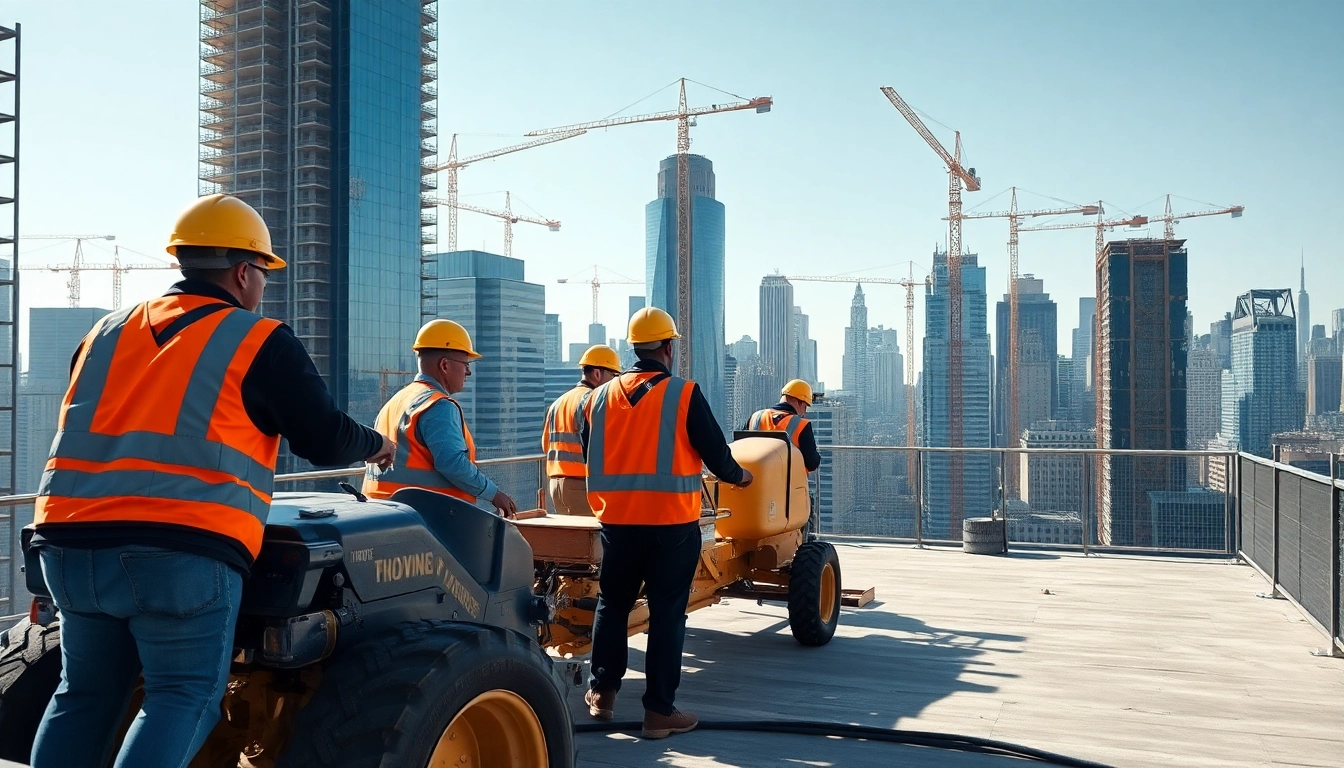
Understanding the Role of a Manhattan Commercial General Contractor
When embarking on a commercial construction project in Manhattan, the role of a Manhattan Commercial General Contractor becomes pivotal. These professionals bridge the gap between clients and various subcontractors, ensuring seamless execution from the conceptual phase to project completion.
Key Responsibilities and Duties
A Manhattan Commercial General Contractor is responsible for a variety of critical tasks throughout the project lifecycle. Their key responsibilities typically include:
- Project Planning: Developing timelines, budgets, and construction plans in collaboration with the client and design team.
- Permitting and Regulations: Navigating the complex landscape of building codes, zoning laws, and obtaining necessary permits.
- Subcontractor Management: Hiring, coordinating, and supervising subcontractors to ensure quality and adherence to timelines.
- Quality Control: Performing regular inspections and monitoring the work quality to guarantee it meets the industry standards.
- Safety Management: Implementing safety protocols to create a safe working environment for all workers on-site.
- Client Liaison: Maintaining regular communication with clients, providing updates on progress, challenges, and solutions.
Differences from Other Contractors
It’s important to distinguish a general contractor from other types of contractors in the construction field. Unlike specialized subcontractors, who may focus on specific trades such as plumbing, electrical, or HVAC work, a general contractor oversees the entire project. They have a broad understanding of the construction process, allowing them to manage multiple subcontractors and ensure that each aspect of the build comes together harmoniously. This holistic approach is crucial in the frenetic environment of Manhattan, where projects often face unique challenges due to space and regulatory constraints.
Importance in Commercial Projects
The importance of a Manhattan Commercial General Contractor cannot be overstated. They not only bring expertise and experience to the project but also play a vital role in mitigating risks. Their established relationships with subcontractors and suppliers can enhance efficiency and reduce costs. Moreover, their comprehensive project oversight helps prevent delays and budget overruns that can jeopardize the success of a commercial project. Ultimately, they serve as the backbone of the construction process, enabling business owners to focus on their operations while the project unfolds.
Choosing the Right Manhattan Commercial General Contractor
Choosing the appropriate contractor for your project is essential in ensuring its success. Specific criteria and considerations can guide you through this critical decision-making process.
Tips for Evaluating Candidates
When evaluating potential Manhattan Commercial General Contractors, consider the following tips:
- Experience and Expertise: Look for contractors with specific experience in your type of project. A strong portfolio can provide insight into their capabilities.
- Licenses and Insurance: Verify that the contractor holds the necessary licenses and possesses adequate insurance coverage to protect against liabilities.
- References: Request references from previous clients to gauge customer satisfaction and the contractor’s reliability during past projects.
- Communication: Evaluate how well they articulate their process and respond to your queries. Clear communication is key in any successful project.
Common Red Flags to Watch For
While searching for a contractor, watch for potential red flags that could indicate reliability issues, such as:
- Vague answers regarding pricing, timelines, or processes.
- Lack of a detailed written contract, leading to misunderstandings.
- Poor online reviews or a lack of online presence where you can verify their reputation.
- Reluctance to provide references from past projects.
- Pressure tactics to make hasty decisions without giving you the opportunity to assess other options.
Importance of Reviews and Ratings
Online reviews and ratings have become indispensable tools in the contractor evaluation process. They offer insights into the contractor’s past performance, customer service quality, and reliability. Additionally, platforms that aggregate these reviews can often provide a more holistic view than direct testimonials. Look for comprehensive feedback that discusses aspects such as adherence to budget, timetable, communication, and post-project support.
Managing Your Project with a Manhattan Commercial General Contractor
Once you’ve selected your Manhattan Commercial General Contractor, the next step is effective project management. This phase involves collaboration, communication, and strategic planning to ensure that the project stays on track and meets your needs.
Effective Communication Strategies
Establishing robust communication strategies right from the start is crucial. Consider the following approaches:
- Regular Meetings: Schedule consistent meetings to discuss project progress, address issues, and gather feedback.
- Transparency: Provide all relevant information, including budgetary constraints and design preferences, to foster trust.
- Digital Tools: Utilize project management software to track progress, share documents, and communicate updates effectively.
Budgeting and Cost Management
Budgeting and effective cost management are paramount in any commercial construction project. Here are strategies to ensure financial control:
- Detailed Estimates: Work with your contractor to develop thorough estimates that account for all anticipated expenses.
- Contingency Funds: Set aside a contingency budget (typically 10-20%) to cover unforeseen costs that may arise during the project.
- Regular Reviews: Conduct periodic financial reviews with your contractor to compare actual expenditures against the budget and make adjustments as necessary.
Timeline Expectations and Management
Meeting project deadlines is a major concern. To manage timelines effectively:
- Realistic Timelines: Collaborate with your contractor to establish achievable deadlines based on project scope and resources.
- Milestones: Break the project into smaller milestones to monitor progress and apply corrective actions if necessary.
- Regular Updates: Ensure your contractor provides timely updates on progress to anticipate potential delays early on.
Best Practices for Working with Manhattan Commercial General Contractors
To cultivate a productive partnership with your general contractor, certain best practices can significantly enhance the working relationship.
Establishing Clear Contracts and Agreements
A well-crafted contract lays the foundation for a successful project. Key components to include are:
- Scope of Work: Clearly define all tasks, responsibilities, and deliverables expected from the contractor.
- Payment Terms: Specify the schedule of payments based on project milestones and conditionally contingent payments.
- Change Orders Procedure: Include a process for managing and approving changes to the scope and cost of work.
Building Trust and Collaboration
Developing a strong, trust-based relationship with your contractor is essential. Trust enables open communication about issues and fosters improvements throughout the project. Build rapport through:
- Active Participation: Involve your contractor in discussions about design preferences and decision-making processes.
- Recognition: Acknowledge your contractor’s efforts by expressing appreciation for work done well.
- Problem-Solving: Approach challenges as collaborative opportunities for finding effective solutions together.
Performance Metrics and Success Indicators
Establishing performance metrics helps measure the success of the project and contractor effectiveness. Key indicators may include:
- Project Timeliness: Assess whether the project meets deadlines and milestones.
- Budget Adherence: Evaluate if the project remains within the estimated budget.
- Quality Standards: Ensure that the workmanship meets industry standards and client expectations.
Future Trends in Commercial Contracting in Manhattan
The commercial contracting landscape in Manhattan is continually evolving. Understanding future trends can help stakeholders strategically prepare for upcoming changes.
Technological Advances Impacting Construction
Technology is transforming the construction sector, introducing efficiencies and improving outcomes. Trends include:
- Building Information Modeling (BIM): This technology allows for detailed 3D visualizations and better project coordination.
- Construction Management Software: Platforms designed for project management streamline communication and tracking of tasks.
- Prefabrication: Factory-built components lead to faster assembly times and reduced waste on-site.
Sustainable Building Practices
As environmental consciousness increases, sustainable construction practices are becoming standard. Notable trends include:
- Green Certifications: Building projects aim for LEED certification by focusing on sustainable materials and energy efficiency.
- Renewable Energy Integration: Incorporating solar panels, geothermal heating, and other renewable energy solutions from the start.
- Waste Reduction Strategies: Emphasizing recycling and reusing materials throughout the construction process.
Market Outlook for Commercial Projects
The market outlook for commercial projects in Manhattan indicates steady growth buoyed by demand in various sectors. Potential opportunities include:
- Mixed-Use Developments: Projects that blend residential, retail, and office spaces are on the rise due to urban living trends.
- Technology Hubs: With a surge in tech companies, the need for modern office spaces continues to grow.
- Renovation and Adaptive Reuse: Updating outdated buildings for new purposes is a trend that conserves resources and preserves history.
Frequently Asked Questions
What is the role of a Manhattan Commercial General Contractor?
A Manhattan Commercial General Contractor oversees the entire construction process, managing subcontractors, budgets, and project timelines.
How do I choose the right contractor for my project?
Evaluate candidates based on experience, references, licensing, and their communication style to ensure they align with your project needs.
What should be included in the construction contract?
Contracts should detail the scope of work, payment terms, and procedures for handling change orders to protect both parties.
How can I manage project costs effectively?
Develop detailed estimates, maintain a contingency budget, and conduct regular financial reviews to manage costs throughout the project.
What are some trends in commercial contracting to watch for?
Key trends include technological advancements, an emphasis on sustainability, and a market shift towards mixed-use developments.