
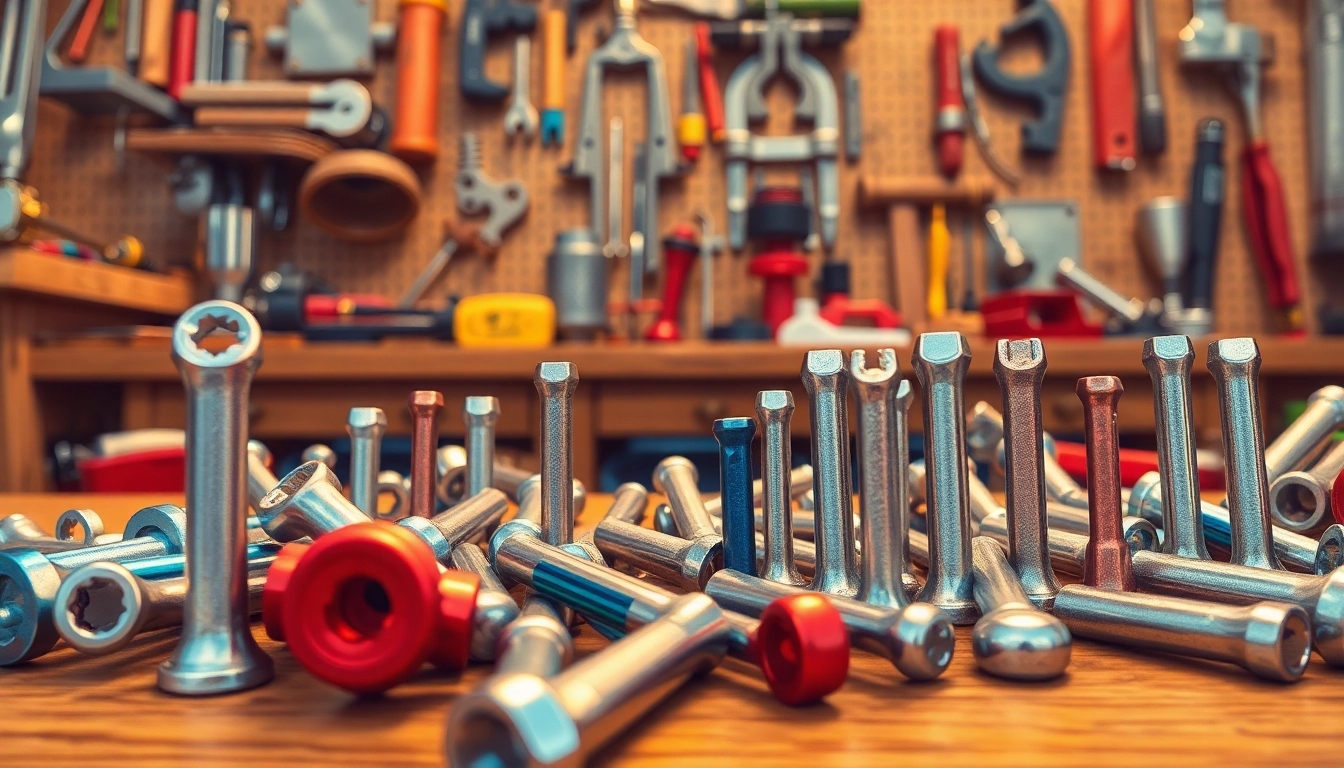
Introduction to allen keys
What are allen keys?
Allen keys, also known as hex keys or hex wrenches, are simple yet highly functional tools designed for driving fasteners with hexagonal sockets. These tools come in various sizes and styles, which makes them versatile for numerous applications, ranging from furniture assembly to mechanical repairs. The design of an allen key allows for ease of access and provides better torque than a flathead screwdriver, making them indispensable for both hobbyists and professionals alike. You can explore a broad range of these practical tools at allen keys.
Why are allen keys essential?
Allen keys have gained immense popularity due to their functionality. They are particularly beneficial in situations where traditional wrenches cannot be used, thanks to their unique shape. From bicycles to furniture and numerous machinery parts that require snug and secure fits, allen keys are a go-to tool for simplicity and efficiency. They allow for an easy reach into tight spots, ensuring that fasteners can be tightened or loosened with precision. Their widespread use in DIY projects and professional settings reflects their essential role in construction and engineering.
Different types of allen keys
Allen keys come in two main variants: L-shaped and T-shaped, each designed to provide leverage and accessibility in different situations. L-shaped allen keys possess a long arm on one end, offering enhanced torque, while the shorter arm enables better fitment in tighter spots. T-shaped keys are often preferred for their ergonomic grip, allowing users to apply more force comfortably. Additionally, they can come as rotary or folding options for added convenience, especially in portable toolkits. Understanding these types will help you make better decisions when selecting the right allen key for your task.
Choosing the Right allen keys
Factors to consider when buying allen keys
When purchasing allen keys, the first factor to consider is the size. Common sizes are measured in millimeters or inches, making it crucial to know which specifications are required for your project. You should also consider the material; while steel is standard, variations in chrome vanadium or other alloys can affect durability and rust resistance.
Common sizes and their applications
Allen keys typically come in various sizes, often ranging from 0.7mm to 10mm. Smaller sizes, such as 1.5mm, are commonly used for delicate applications like electronics, whereas larger sizes are ideal for heavier machinery and furniture assembly. It’s essential to have a full set of sizes at hand to tackle a variety of tasks efficiently. Knowing which size corresponds to your specific project can greatly enhance work quality.
Material differences in allen keys
Material choice plays a pivotal role in the performance of allen keys. Steel allen keys are standard due to their relative affordability and durability, while those made from chrome-vanadium steel are more resistant to wear and corrosion, although often more expensive. For specialized applications, there are also stainless steel options that resist rust, making them suitable for outdoor use or environments with moisture.
Using allen keys Effectively
Basic techniques for beginners
For beginners, mastering the use of allen keys begins with a proper grip. You should hold the long arm firmly and gently insert the short end into the fastener. Begin turning clockwise for tightening and counter-clockwise for loosening. It’s essential to apply steady and consistent pressure to avoid stripping the socket. With practice, you’ll improve your accuracy and speed.
Advanced tips for experienced users
Experienced users would benefit from techniques that maximize torque. Using a T-shaped allen key may provide better leverage for stubborn or rusted screws. Additionally, employing a lubricating agent can ease the unscrewing of particularly tight fasteners. Using a torque wrench in combination with allen keys can also lead to more precise applications, preventing damage while ensuring adequate fastening.
Common mistakes with allen keys
One common mistake is using the wrong size of allen key, which can lead to stripping of the fastener socket. Another error is failing to apply enough torque or using excessive force, which can bend or snap the key. Additionally, beginners might not be aware of the correct angle to use, which can lead to improper fitting. Educating oneself on the significance of proper techniques can prevent such mistakes.
Maintenance and Care for allen keys
Cleaning your allen keys
Maintaining the integrity of your allen keys necessitates regular cleaning, especially after prolonged use. Wipe the keys with a cloth after each use to remove dirt and grease. For more thorough cleaning, use warm soapy water and a toothbrush to remove any debris lodged within the hexagonal ends. Ensure the keys are dried completely to prevent rust formation.
Preventing wear and tear
To prolong the lifespan of your allen keys, avoid using them for purposes they aren’t designed for, such as striking them with a hammer. Proper torque application ensures that the keys maintain their shape and functionality, thereby preventing excessive wear. Storing them in a padded case can also protect them from damage and deterioration.
Storage solutions for allen keys
Storing allen keys in a designated holder or toolbox will maintain organization and prevent losing them. Magnetic holders can also simplify accessibility, allowing easy retrieval. Maintaining an inventory of sizes will help ensure that you always have the right tool for the job, eliminating unnecessary downtime searching for the correct size.
FAQs about allen keys
What are the benefits of using allen keys?
Using allen keys offers numerous benefits, including ease of use, accessibility in tight spaces, and high torque application without slipping. Their compact design makes them handy for various tasks, from DIY projects to professional repairs.
How do I know which size allen key to use?
To select the appropriate size allen key, refer to the specifications of the fasteners being used. Commonly, the size is marked on the fastener itself, or you may measure it using calipers if unclear. Having a complete set of allen keys makes it easier to find the necessary size when tackling different tasks.
Can allen keys rust or corrode?
Yes, allen keys can rust or corrode, especially if they are made from regular steel and are exposed to moisture. Using stainless steel or chrome-vanadium alloy keys can significantly reduce the risk of rusting and enhance longevity.
What’s the best way to store allen keys?
The best way to store allen keys is in a designated, organized space such as a toolbox, wall-mounted holder, or magnetic strip. Keeping them in a protective case will help avoid damage and ensure they remain in good condition.
Are there special allen key sets for specific projects?
Indeed, there are allen key sets designed for specific applications, such as automotive repair, furniture assembly, or bicycle maintenance. These sets often contain varying lengths and sizes tailored to particular tasks, ensuring you have the right tool for your project.
Understanding the role of allen keys in your DIY or professional toolkit is crucial for achieving optimal outcomes comparable to industry standards. With proper use and care, these tools can serve a long-lasting purpose. For any additional tools and resources, explore the vast selection at Mister Worker.