Understanding Whole House Repiping Services
What is Whole House Repiping?
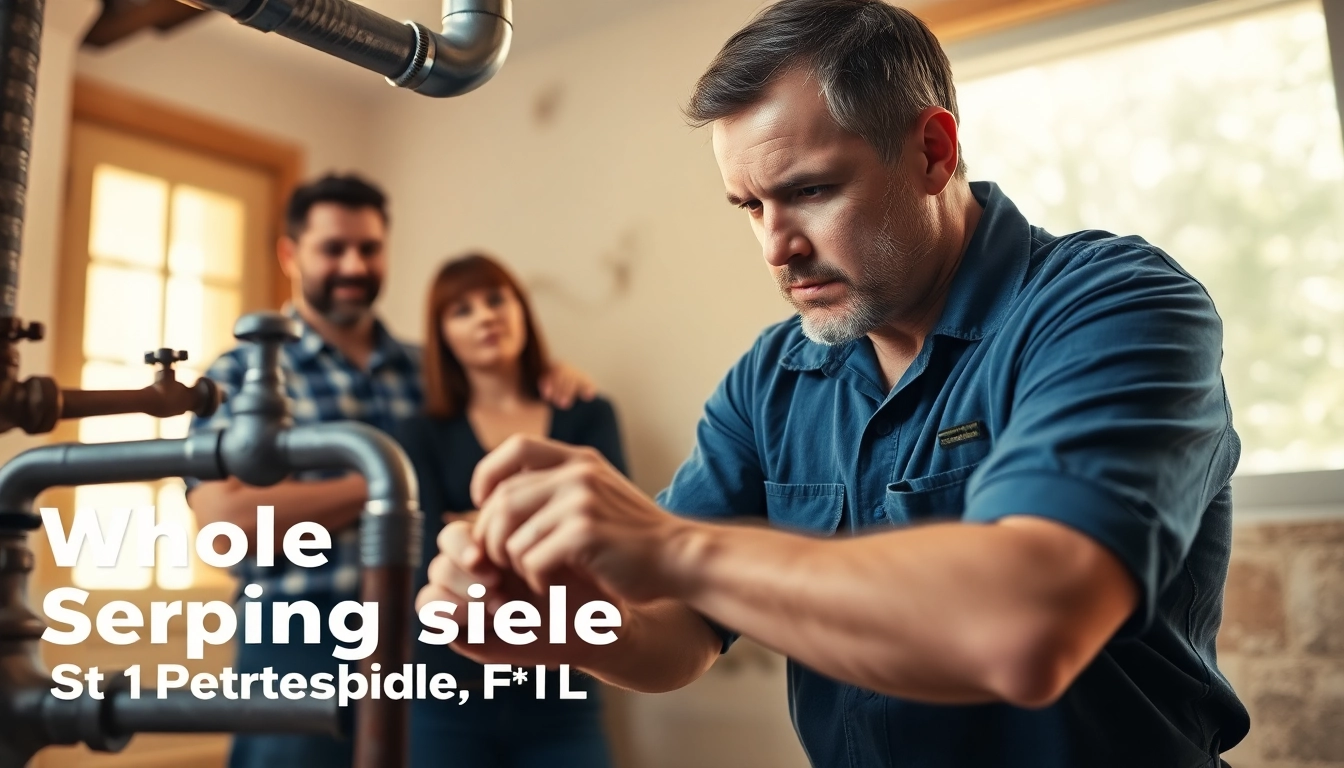
Whole house repiping is a significant plumbing project that involves replacing all the pipes in a property. This process is more extensive than localized repairs and is typically necessitated by aging infrastructure, plumbing issues, or a desire to upgrade existing systems. By completely replacing the piping throughout the home, homeowners ensure a fresh start with reliable plumbing, improved water quality, and potentially increased energy efficiency.
Why Consider Whole House Repiping?
Several factors can lead a homeowner to consider whole house repiping. Aging pipes may corrode or develop leaks, making them ineffective and potentially hazardous. Additionally, old materials such as galvanized steel can introduce harmful contaminants into your drinking water. Repiping can also enhance the overall efficiency of your plumbing system by eliminating issues that arise from outdated or inadequate pipelines. For those in St Petersburg, FL, opting for whole house repiping services St Petersburg FL can be a vital step toward ensuring a safe and functional home environment.
Common Signs You Need Repiping
- Frequent Leaks: Multiple leaks in your plumbing system may indicate deteriorating pipes.
- Low Water Pressure: This could suggest blockages or corrosion within the pipes.
- Discolored Water: Rusty or brown water can be a sign of corroded pipes.
- Unpleasant Odors: A musty smell from your taps may indicate stagnant or contaminated water.
- Increased Water Bills: If you notice a sudden spike in your water bill, it could result from unnoticed leaks.
Benefits of Whole House Repiping Services St Petersburg FL
Improved Water Quality
One of the primary benefits of whole house repiping is significantly enhanced water quality. New pipes, particularly those made from PEX or copper, do not leach harmful substances into your water supply, unlike older materials such as lead or galvanized steel. Homeowners can enjoy cleaner, safer drinking water, which contributes to their overall health and well-being.
Increased Property Value
Upgrading your plumbing system can also noticeably increase your property’s market value. A well-maintained plumbing system is attractive to potential buyers and can be a critical deciding factor during a home inspection. Prospective homeowners are often willing to pay more for a property with updated plumbing, as they see it as a necessary and future-proof investment.
Long-Term Cost Savings
Although whole house repiping can seem like a significant upfront cost, it can lead to substantial savings over time. New pipes are less likely to leak, reducing the risk of costly water damage repairs. Furthermore, better water pressure and fewer plumbing problems can save money on water bills and maintenance fees, making repiping a financially prudent choice.
Choosing the Right Materials for Repiping
Comparing Copper, PEX, and CPVC
When considering repiping, selecting the appropriate materials is crucial. The most common options include copper, PEX (cross-linked polyethylene), and CPVC (chlorinated polyvinyl chloride).
- Copper: Known for its durability and longevity, copper is resistant to corrosion and has a lifespan of over 50 years. It is, however, more expensive and requires professional installation.
- PEX: Flexible and easy to install, PEX is resistant to scale and chlorine and does not corrode. Its lifespan can also exceed 50 years, making it a popular choice among homeowners.
- CPVC: This plastic material is less expensive than copper and PEX and is resistant to corrosion as well. However, it may not perform as well in extreme temperatures.
Factors to Consider in Material Selection
When choosing your repiping materials, consider factors including:
- Budget: Evaluate the costs associated with each material and installation.
- Lifespan: Consider how long each material will last under regular usage.
- Installation Difficulty: Complex materials may require more specialized installation.
- Environmental Conditions: Choose materials that are best suited for your local climate and environmental conditions.
Durability and Longevity of Materials
Durability is a key factor in repiping. Copper pipes, while expensive, offer an excellent lifespan and resistance to temperature changes. PEX pipes, on the other hand, can handle extreme weather conditions without fracturing. CPVC also provides a decent lifespan, but caution is necessary for exposure to heat over time. Overall, the right choice of material can not only address immediate plumbing concerns but also avoid future problems.
The Repiping Process: What to Expect
Initial Assessment and Consultation
The first step in the repiping process is a thorough evaluation of your existing plumbing system. During this phase, a professional plumber will inspect your pipes, discuss the symptoms you are experiencing, and recommend the best course of action. This may involve identifying specific areas needing repair versus the need for complete repiping.
Planning and Scheduling the Work
Once the assessment is complete, the contractor will provide a detailed estimate and plan for the project. Scheduling is crucial, as the scope of work can impact your daily routines. Reputable companies will communicate timelines clearly and prepare you for the time without running water or other disruptions.
Post-Installation Inspection and Follow-Up
After the repiping is completed, a thorough inspection is crucial to ensure the system is functioning correctly. Plumbers will check connections and fixtures for leaks, proper water flow, and other operational aspects. Follow-up maintenance may be prescribed to keep the plumbing system in optimal condition over time.
Frequently Asked Questions About Repiping
How long does a repiping project take?
The duration of a repiping project typically ranges from a few days to a week, depending on the home’s size and the complexity of the work required.
What is the average cost of repiping?
The average cost of repiping a home can vary widely, generally ranging from $4,000 to $15,000, with factors including the type of materials and labor involved affecting the pricing.
Will I have water during the process?
During the repiping process, water access may be limited. The contractor will communicate the schedule clearly, so you know when you can expect water service to be restored.
What are the signs of bad plumbing?
Signs of bad plumbing include frequent leaks, discolored or foul-smelling water, low water pressure, and unusually high water bills, indicating a major issue within the plumbing system.
Can I DIY my repiping?
While some minor repairs can be DIY projects, whole house repiping typically requires professional expertise due to local codes and the complexity of plumbing systems, making it safest to hire licensed professionals.