
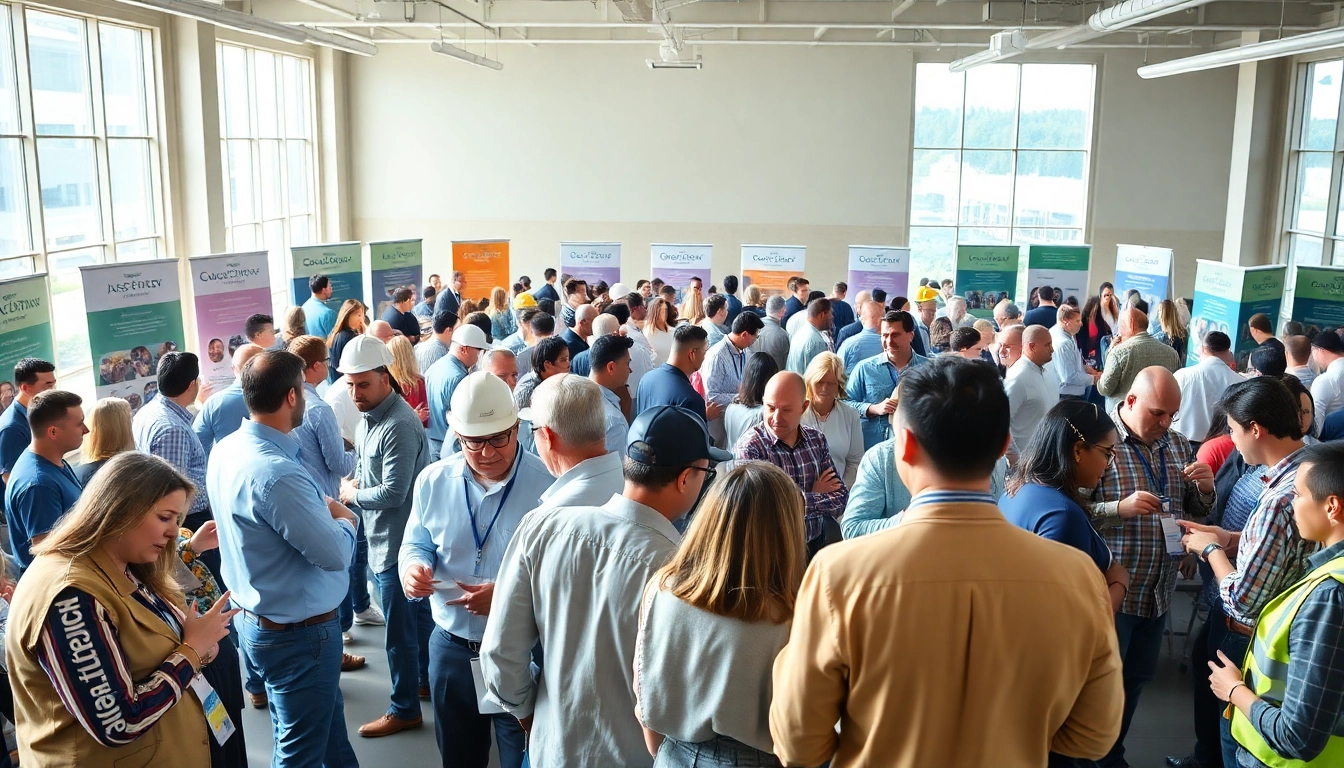
Understanding Construction Networking Events
What Are Construction Networking Events?
Construction networking events are organized gatherings that bring together professionals from the construction industry. These events serve as platforms for individuals and organizations to connect, share ideas, learn about new trends, and form strategic partnerships. While some networking events are formal and structured, others may take a more casual approach, facilitating open conversations and relationship-building. Regardless of format, the primary goal remains the same: to foster connections that can lead to fruitful collaborations. Many of these events, which highlight the importance of community in the construction industry, are tailored to different niches, from residential construction to large-scale commercial projects. For more information on upcoming construction networking events, various local organizations and professional associations can be valuable resources.
Importance of Networking in the Construction Industry
In the construction realm, forging strong connections is crucial for business success. Networking plays a significant role in promoting collaboration, sharing insights, and enhancing overall industry knowledge. For contractors and subcontractors, networking enables access to potential clients and partners, paving the way for joint ventures. Additionally, established relationships often result in referrals, providing ongoing work opportunities. Networking is not just essential for business growth; it is equally important for professional development. Through networking, professionals can build relationships that may lead to mentorship opportunities, skill development, and the sharing of best practices within the industry. This synergistic exchange ultimately contributes to stronger project outcomes and better service delivery.
Types of Construction Networking Events
Construction networking events come in various formats, each serving a unique purpose and audience. Here are some common types:
- Conferences: Large-scale gatherings featuring industry experts, keynote speakers, workshops, and exhibitions showcasing the latest construction innovations.
- Trade Shows: Events where companies display their products and services, providing opportunities for face-to-face interactions between manufacturers, suppliers, and construction professionals.
- Workshops and Seminars: Educational events focused on specific aspects of construction, providing practical insights and skill-building opportunities.
- Local Meetups: Informal gatherings that facilitate relationship building among local construction professionals and businesses.
- Online Webinars: Virtual platforms where industry experts share insights, offering interactive Q&A sessions to engage participants.
Benefits of Attending Construction Networking Events
Building Professional Relationships
One of the primary benefits of attending construction networking events is the opportunity to build lasting professional relationships. These events create an atmosphere conducive to dialogue, allowing participants to connect with peers, potential clients, and industry leaders. Establishing these connections can lead to future collaborations, partnerships, and opportunities for referrals. Moreover, building a strong network enriches one’s career through shared knowledge and experience, allowing professionals to navigate challenges and seize opportunities more effectively. Engaging in meaningful discussions at networking events provides insights into different business models and practices, enabling attendees to broaden their perspectives and enhance their operational strategies.
Knowledge Exchange and Industry Insights
Networking events are treasure troves of industry knowledge. Attendees can gain insights into current trends, technologies, and regulatory changes impacting the construction sector. Keynote sessions from industry experts provide valuable perspectives that can inspire innovation and improvement in one’s own practices. Workshops allow for hands-on learning experiences, enabling professionals to acquire new skills and competencies relevant to their field. Additionally, informal conversations can lead to the exchange of best practices and lessons learned from various projects. These interactions not only provide valuable knowledge but foster a culture of continuous learning within the industry.
Identifying New Business Opportunities
Construction networking events are excellent venues for identifying new business opportunities. Attendees often come with project needs or looking for solutions to existing challenges, creating a fertile ground for collaboration. Whether you’re seeking subcontractors, suppliers, or new clients, these events facilitate connections that could lead to new contracts or collaborations. Engaging in discussions during these events can also uncover gaps in the market, allowing businesses to innovate and tailor their offerings to meet demand. Furthermore, networking enables professionals to learn about upcoming projects and initiatives, giving them a competitive edge in pursuing new business opportunities.
How to Prepare for Construction Networking Events
Essential Materials to Bring
Preparation for construction networking events is crucial for maximizing your experience. Some essential materials to bring include:
- Business Cards: Professional business cards are a must. They serve as a tangible reminder of your interaction and provide essential contact information.
- Brochures or Portfolios: If applicable, having brochures or digital portfolios on hand can help illustrate your work and capabilities, making it easier for potential clients to understand your offerings.
- Notepad and Pen: Taking notes is valuable for capturing insights, contacts, and follow-up opportunities during the event.
- Networking Toolkit: This could include a LinkedIn QR code or a device to connect with others digitally, making it easier to grow your online network.
Setting Goals for Networking
To maximize the benefits of attending a construction networking event, it’s essential to set clear goals beforehand. Consider the key objectives you want to achieve, such as expanding your professional network, discovering potential partners, or learning about industry trends. Assess the types of attendees expected and plan who you would like to connect with. Setting specific goals will enable you to focus your efforts, ensuring you engage meaningfully with others and track progress after the event. Evaluation can also help you connect with people aligned with your interests while ensuring you get the most value from each encounter.
Creating an Elevator Pitch
An effective elevator pitch is a critical tool in any networking scenario. This brief, compelling statement should succinctly convey who you are, what you do, and what unique value you can provide. Crafting a pitch that lasts no longer than 30 seconds enables you to grab attention quickly while leaving a positive impression. Practice your pitch to ensure it sounds natural and confident rather than scripted. Tailor your elevator pitch based on the individual or group you’re addressing to make it relevant and engaging. A great elevator pitch can lead to meaningful conversations and opportunities that might not have otherwise emerged.
Maximizing Your Networking Experience
Effective Communication Strategies
To get the most out of your networking experience, effective communication is paramount. Actively listen to others, showing genuine interest in their conversations. Engage by asking open-ended questions that encourage discussion, allowing you to delve deeper into topics. Be mindful of your body language; maintain eye contact and use a friendly demeanor to foster a positive connection. Additionally, be prepared to adapt your communication style to suit different audiences, ensuring that your message resonates with each person you encounter. The goal is to create an authentic dialogue that leaves a lasting impact and paves the way for future interactions.
Follow-Up Techniques Post-Event
The follow-up process after an event is crucial to converting initial conversations into meaningful relationships. Within 24-48 hours post-event, reach out to your new contacts via email or LinkedIn. Personalize your messages by referencing specific conversations or common interests discussed during the event. A thoughtful follow-up demonstrates your genuine interest in maintaining the connection and keeps you top of mind. Additionally, consider suggesting a subsequent meeting or call to further explore potential collaboration, reinforcing your commitment to building a professional relationship. Regular interaction can transform a fleeting encounter into a long-lasting partnership.
Leveraging Social Media for Connections
Social media is an invaluable tool for maintaining and expanding your professional network. Platforms like LinkedIn allow you to connect with individuals you meet at events and share insights or articles relevant to the construction industry. Engaging on social media means you can stay updated on industry trends and participate in discussions that can enhance your visibility. Sharing your experiences from networking events and applying the lessons learned can position you as a thought leader. Create a consistent online presence, contributing to conversations and fostering relationships even when you’re not face-to-face with industry peers.
FAQ About Construction Networking Events
What should I wear to a construction networking event?
Dress professionally, adapting to the event’s formality, typically business casual or industry-specific attire.
How can I find upcoming construction networking events?
Check local industry associations, event platforms, social media, and construction-related websites for listings.
What should I expect at these events?
Expect networking opportunities, keynote speakers, workshops, and opportunities to connect with potential partners and clients.
How do I make meaningful connections?
Engage in conversations, ask questions, listen actively, and follow up post-event with personalized messages to solidify connections.
Can virtual events be as effective as in-person?
Yes, virtual events can provide valuable networking opportunities through breakout sessions, chats, and online panels if engaged actively.