
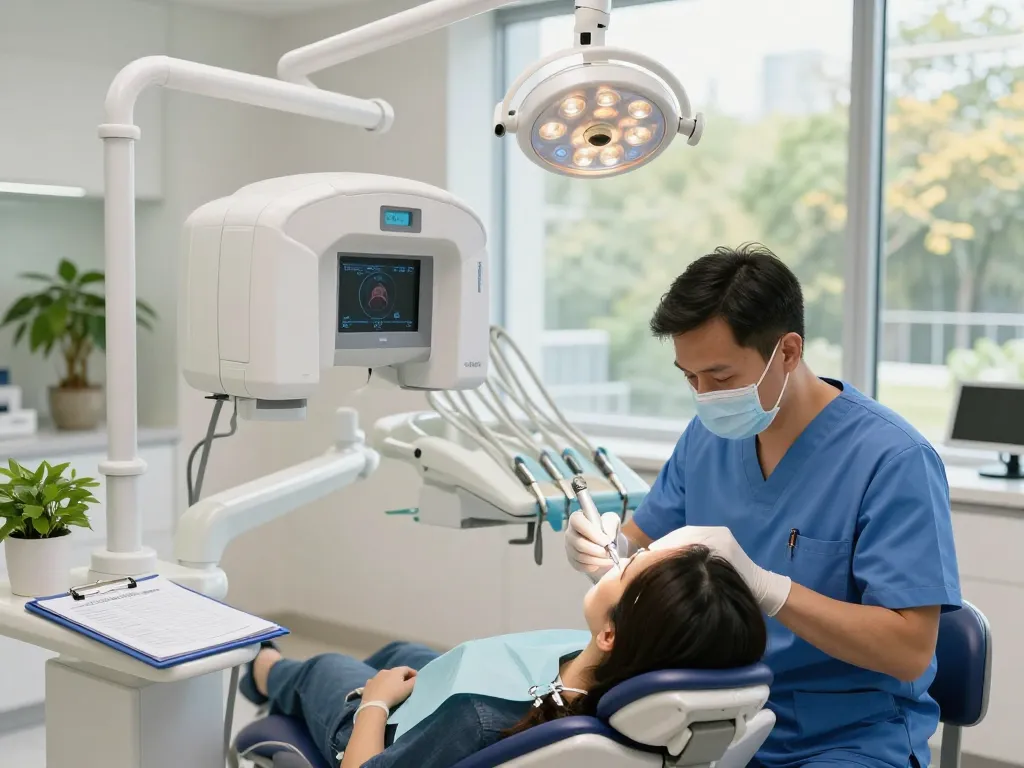
Understanding Dental Tools: An Overview
In the world of modern dentistry, having the right tools is crucial for effective diagnosis and treatment. Dental tools are not just instruments; they are essential equipment that help dental professionals deliver high-quality care to their patients. From routine check-ups to complex procedures, understanding the purpose and functionality of these tools can significantly enhance the efficacy of dental practices. When exploring options, Dental tools play a pivotal role in ensuring that the latest advancements and techniques are at the fingertips of dental practitioners.
What Are Dental Tools?
Dental tools, also known as dental instruments, are specialized devices used by dentists and dental hygienists to carry out various tasks, ranging from examinations to surgical procedures. These tools are designed for precision and efficiency, helping professionals perform their work with accuracy. Common types of dental tools include hand instruments, rotary instruments, and surgical tools, each tailored to specific functions in dental care.
Importance of Quality in Dental Equipment
The quality of dental tools directly impacts patient outcomes. High-quality instruments are not only more durable but also more reliable in delivering precise care. Inferior tools can lead to complications, discomfort, or even harm to patients. Therefore, investing in reputable brands that prioritize quality manufacturing is imperative for dental practices aiming to uphold high standards of care.
Types of Dental Tools: A Breakdown
Understanding the various types of dental tools is essential for both dental professionals and patients. Here are the main categories:
- Examination Tools: These include mirrors, explorers, and periodontal probes for assessing the condition of teeth and gums.
- Hand Instruments: Tools like scalpels, forceps, and curettes are used during dental procedures for cutting, holding, and scraping.
- Rotary Instruments: Electric handpieces, drills, and polishing tools fall into this category, often used for cavity preparation and cleaning.
- Surgical Instruments: These include specialized tools designed for dental surgeries, such as extraction forceps and bone chisels.
Key Features of Modern Dental Tools
Materials Used in Manufacturing Dental Tools
Modern dental tools are crafted from a variety of materials, each providing specific benefits:
- Stainless Steel: Known for its durability and resistance to rust, stainless steel is commonly used in hand instruments.
- Plastic Composites: Lightweight and often ergonomically designed, these materials are popular for disposable tools.
- Advanced Alloys: Used in high-quality rotary instruments for enhanced strength and longevity.
Technological Advancements in Dental Tools
The evolution of technology has led to significant enhancements in dental tools. Innovations such as laser dentistry and digital scanning tools provide greater accuracy and efficiency while reducing patient discomfort. Furthermore, robotics and artificial intelligence are beginning to shape how procedures are performed, presenting exciting opportunities for the future of dental practice.
Ergonomics and Design Considerations
Modern dental tools are designed with ergonomics in mind. This means they are crafted to minimize strain on the dentist’s hands and wrists while maximizing control and precision. Features such as lightweight materials, nonslip grips, and balanced weights contribute to a more comfortable and effective working experience.
Choosing the Right Dental Tools for Your Practice
Factors to Consider When Selecting Dental Tools
When choosing dental tools, several factors should guide the selection process:
- Functionality: Ensure the tools meet the specific needs of your practice and the procedures you perform.
- Quality and Durability: Always opt for tools that are built to last, even with frequent use.
- Comfort: Ergonomically designed tools can prevent fatigue and improve performance.
Top Brands to Look Out For
Several brands have established a reputation for excellence in dental tools. These include:
- Hu-Friedy: Known for high-quality dental instruments and tools that are widely trusted by professionals.
- KaVo: Offers advanced technology tools that enhance both precision and efficiency in dental procedures.
- Bien-Air: Specializes in rotary instruments that are recognized for their durability and performance.
Common Mistakes in Choosing Dental Equipment
Dental professionals may overlook certain aspects when selecting tools. Common mistakes include:
- Prioritizing cost over quality, leading to the purchase of unreliable instruments.
- Failing to consider the ergonomics, resulting in discomfort during procedures.
- Not keeping abreast of new technologies that can improve practice efficiency.
Maintenance and Care of Dental Tools
Best Practices for Cleaning and Sanitizing Dental Tools
Proper maintenance of dental tools is crucial for ensuring longevity and effectiveness. Here are essential steps:
- Manual Cleaning: Rinse and scrub instruments immediately after use to prevent debris from hardening.
- Ultrasonic Cleaners: Use these devices for thorough cleaning of intricate instruments.
- Autoclaving: Sterilize tools using autoclaves to eliminate all pathogenic microorganisms.
Storage Solutions for Dental Equipment
Storing dental tools correctly can prolong their lifespan. Consider these storage solutions:
- Tool Trays: Organize instruments in trays to prevent damage and facilitate easy access.
- Drawer Organizers: Designated spaces for different types of tools can enhance workflow.
- Climate-Controlled Cabinets: Prevent rust and degradation by storing tools in a controlled environment.
When to Replace Your Dental Tools
Understanding when to replace dental tools is essential for maintaining quality care. Indicators include:
- Visible wear and tear, such as rust, chips, or cracks.
- Decreased performance or efficacy during procedures.
- Changes in sterilization effectiveness, which can pose health risks to patients.
Future Trends in Dental Tools and Technology
Emerging Technologies Impacting Dentistry
The landscape of dentistry is rapidly changing with the introduction of various technologies. Emerging tools like 3D printing and tele-dentistry are revolutionizing how dental care is delivered, allowing for customized solutions and remote consultations that enhance patient convenience and satisfaction.
Sustainability in Dental Tool Manufacturing
Sustainability is becoming increasingly important in the dental field. Manufacturers are exploring eco-friendly materials and practices, aiming to minimize environmental impact while maintaining high-quality standards.
Predictions for Dental Tools in 2026 and Beyond
As we look towards 2026, several predictions can be made regarding dental tools:
- Integration of artificial intelligence in diagnostic tools will enhance accuracy.
- Increased use of biodegradable materials in manufacture will promote sustainability.
- Enhanced connectivity in tools will allow for real-time data sharing and improved patient management.
What Are the Most Common Dental Tools?
Commonly used dental tools include instruments such as:
- Dental Explorer: Used for probing and detecting cavities.
- Mouth Mirror: Aids visibility during examinations.
- Scaler: Used for cleaning plaque and tartar from teeth.
How Should Dental Tools Be Maintained?
In addition to cleaning and proper storage, regular inspections should be conducted to assess the condition of dental tools and ensure they are working optimally.
Where to Find Quality Dental Tools for Purchase?
Quality dental tools can be purchased from reputable suppliers, both online and in-store. It’s advisable to seek recommendations from fellow professionals and consult reviews to ensure you are investing in reliable brands.
What to Look for When Buying Dental Tools?
When purchasing dental tools, consider aspects such as:
- Brand reputation and reviews
- Warranty and return policies
- Certifications that ensure compliance with health regulations
Are There Dental Tools for Home Use?
While many dental tools are designed for professional settings, there are specialized tools available for home use, such as dental kits containing basic hygiene tools. However, it’s recommended to consult with a dentist before using any tools at home to avoid potential harm.