Understanding Kling Motion AI Technology
Kling Motion AI is revolutionizing the way creators engage with video content, transforming static images into vivid animations and cinematic experiences. This cutting-edge technology leverages advanced artificial intelligence to understand and replicate human motion, allowing for the seamless integration of motion paths into video production. As we explore the capabilities of Kling motion ai, it’s crucial to understand its core functionalities and how they can enhance creative projects across various applications.
What is Kling Motion AI?
Kling Motion AI is an innovative platform designed for image-to-video conversion, utilizing machine learning algorithms to interpret static images and generate lifelike animations. By analyzing reference videos and utilizing advanced motion control techniques, it allows users to create dynamic videos from mere photographs. This technology stands out for its ability to maintain character consistency and natural motion, thereby delivering a professional-level output suitable for various creative industries.
Core Features of Kling Motion AI
- Accurate Motion Path Control: Users can define specific motion paths, ensuring that character actions are precise and aligned with user intentions.
- Facial Expression Synchronization: Kling Motion AI excels in capturing subtle facial changes, making characters more relatable and expressive.
- High-resolution Output: The platform generates photorealistic videos with realistic lighting and textures, rivaling traditional CGI.
- User-friendly Interface: Creators can effortlessly upload images and reference videos, streamlining the animation process.
How Kling Motion AI Works for Video Generation
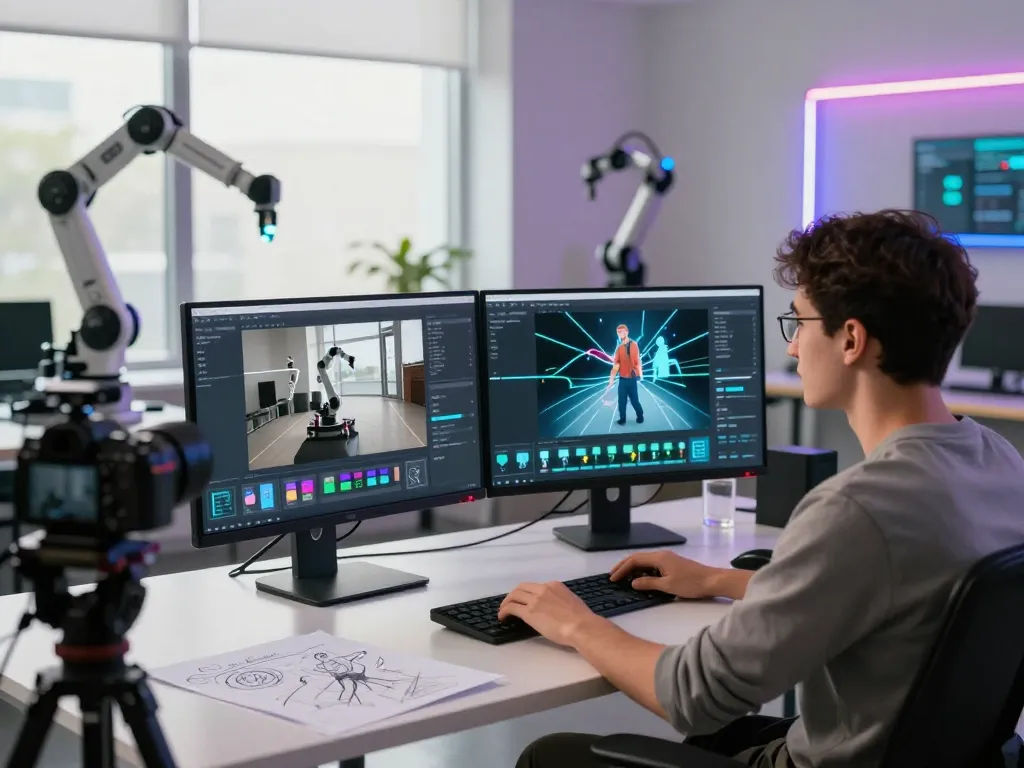
The Kling Motion AI engine operates by analyzing uploaded reference images and motion clips, applying the learned data to create fluid animations. When a user uploads a character image, whether full-body or half-body, and pairs it with a reference video illustrating desired movements, the AI engine processes the motion patterns and reproduces them on the static image. Users can also enhance video output quality by incorporating text prompts that guide the AI in interpreting specific actions, camera angles, or emotional nuances.
Benefits of Using Kling Motion AI for Creators
The shift to digital content has created a high demand for engaging visuals, and Kling Motion AI meets this need by providing tools that simplify the animation process while enhancing the quality of the output. From budding creators to professional filmmakers, the platform offers significant advantages, particularly in animation accuracy and workflow efficiency.
Improving Animation Accuracy with Kling Motion AI
One of the standout features of Kling Motion AI is its capability to deliver precise animations that mirror the dynamics of real-world movements. By employing detailed motion tracking and path planning, users can expect their animated results to be coherent and lifelike. This precision is especially beneficial in projects requiring synchronization between audio and visual elements, such as music videos or narrative films.
Enhancing Creative Workflows through Automation
Kling Motion AI streamlines the creative process by automating repetitive tasks involved in animation. By reducing the need for manual keyframing and extensive editing, creators can focus more on storytelling and artistic details. This efficiency not only saves time but also allows for greater experimentation and innovation in video projects.
Real-world Applications and Success Stories
Several industries have begun to adopt Kling Motion AI for a variety of applications. In marketing, brands are using animated visual content to capture audience attention on social media. The technology has also found its place in education, where educators create engaging content that enhances learning experiences. Notably, a recent project by a digital agency showcased a viral marketing campaign where animated baby dance videos generated significant buzz, exemplifying the playful potential of aid in animation.
Exploring Advanced Techniques with Kling Motion AI
For creators seeking to elevate their video projects, leveraging advanced techniques with Kling Motion AI can lead to stunning results. Understanding best practices for effective image-to-video conversion is essential to harnessing the full power of this technology.
Best Practices for Effective Image-to-Video Conversion
To achieve the best results with Kling Motion AI, certain practices should be followed. Matching the type of reference motion video with the orientation of the input image is critical—ensuring that full-body images correspond with full-body motion clips prevents alignment issues. Additionally, selecting motion clips that feature clear, controlled movements allows the AI to track accurately and deliver smooth animations.
Utilizing Reference Videos for Optimal Results
Reference videos play a crucial role in the effectiveness of Kling Motion AI. Creators should opt for clips that illustrate the desired movements clearly, ideally with limited camera drift to maintain character positioning. This facilitates a seamless transfer of motion from the reference to the character image, resulting in a more authentic video output.
Text Prompts and Their Impact on Video Quality
Text prompts enhance the creative control within the Kling Motion AI framework. By specifying actions, moods, or even camera angles through descriptive language, users can influence the AI’s interpretation, yielding richer and more engaging animations. For instance, a prompt that describes a character’s emotional state can significantly impact the resulting facial expressions during animation.
Challenges and Solutions in Motion Control AI
Despite the benefits, there are challenges associated with motion control AI technologies, and understanding these obstacles can better prepare creators for successful projects.
Common Misconceptions About Motion Control AI
One prevalent misconception is that motion control AI requires extensive technical knowledge to operate effectively. However, Kling Motion AI is designed to be accessible, even for those with minimal technical expertise. By providing a user-friendly interface and straightforward guidelines, even novice creators can harness its capabilities.
Technical Obstacles and How to Overcome Them
Another challenge users may face involves the quality of input images and reference videos. Poor quality or improperly framed images can result in subpar animations. To combat this, users should ensure high-resolution images are used that exhibit clear, defined features, and that video references are consistent with the intended animation style.
Future-proofing Your Projects with Kling Technology
As AI technology continues to evolve, it’s essential for creators to future-proof their projects by staying informed about advancements in motion control AI. Utilizing platforms like Kling Motion AI not only enhances current projects but also prepares creators for the next generation of digital storytelling.
Future Trends for Motion Control AI in 2026
The landscape of motion control AI is evolving, with significant developments expected in the coming years. Understanding these trends will help creators leverage new tools and methods for production.
Predicted Developments in AI Animation Technologies
As we move towards 2026, we anticipate enhancements in AI animation technologies that will offer even more realistic and customizable animation capabilities. Innovations in deep learning and computer vision are expected to refine motion tracking and enhance user experience, leading to greater fidelity in character animation.
Emerging Use Cases for Motion Control AI
Beyond traditional applications in film and advertising, emerging use cases for motion control AI include virtual reality (VR) and augmented reality (AR) applications. As the demand for immersive content increases, the ability to create adaptable and engaging visuals through AI will open new avenues for creators across various industries.
How Kling Motion AI Aligns with Industry Innovations
Kling Motion AI is positioned at the forefront of industry innovations, aligning itself with trends in automation and AI-driven creative tools. This alignment not only enhances the platform’s capabilities but also ensures its relevance as industry standards evolve, making it a vital resource for content creators and marketers alike.