Understanding the Role of a Plumber Near Me
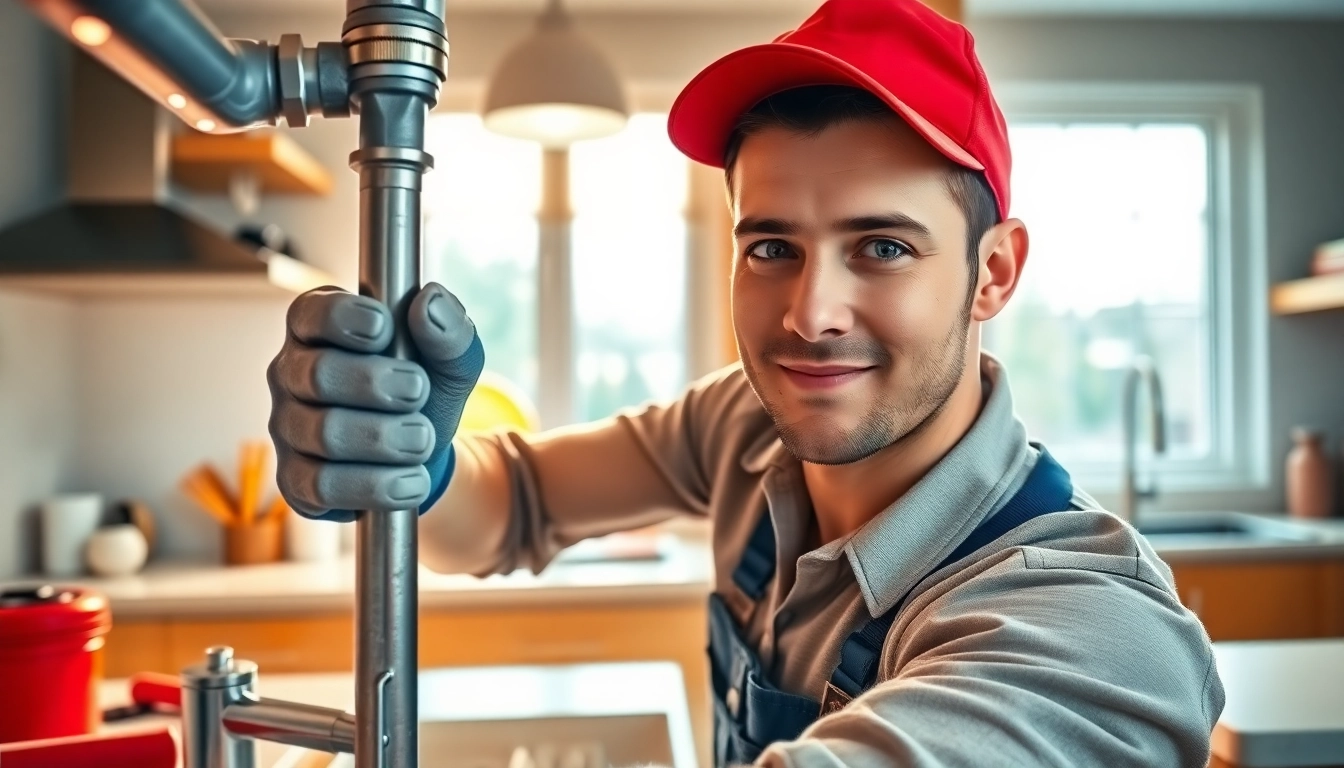
When you encounter plumbing issues in your home, finding a reliable Plumber near me can make all the difference. But what does a plumber actually do? In this section, we will delve into the essential role that plumbers play in maintaining and repairing our plumbing systems.
What Services Do Plumbers Provide?
Plumbers offer a wide range of services that are vital for the health and functionality of your home or business plumbing. Here are some of the core services you can expect:
- Installation of Fixtures: From sinks to toilets and water heaters, plumbers install various fixtures in homes and businesses.
- Repairs and Replacements: They can repair and replace leaky faucets, broken pipes, and malfunctioning water heaters.
- Drain Cleaning: Clogged drains are a common issue that plumbers are well-equipped to handle, using specialized tools to clear blockages.
- Pipe Relining: This method allows for the repair of existing pipes without the need for extensive excavation.
- Emergency Services: Many plumbers offer 24/7 emergency services for urgent issues like burst pipes or severe leaks.
Why Local Expertise Matters
Choosing a local plumber has many benefits. Local plumbers understand the specific plumbing codes and regulations of your area, ensuring that all work completed is compliant. Furthermore, having a local relationship allows for quicker response times in emergencies, making it easier to address urgent plumbing issues that arise unexpectedly. Additionally, supporting local businesses fosters community growth.
How to Choose a Trusted Plumber Near Me
Finding a trusted plumber requires some research and consideration. Here are key steps to follow:
- Check Reviews: Look for customer feedback on platforms such as Google, Yelp, and Angie’s List.
- Ask for Recommendations: Speak to friends, family, or neighbors about their experiences with local plumbers.
- Verify Licensing and Insurance: Ensure the plumber is licensed and insured to protect yourself from potential liabilities.
- Request Estimates: Getting multiple quotes can help gauge fair pricing and assess professionalism.
Common Plumbing Issues and Solutions
Leaky Faucets and Their Fixes
Leaky faucets are a common nuisance. They can waste considerable amounts of water and lead to higher bills over time. The common causes of leaks include:
- Worn-out washers or O-rings
- Corroded valve seats
- Improper installation
To fix a leaky faucet, you can:
- Turn off the water supply.
- Disassemble the faucet to identify the cause of the leak.
- Replace any damaged components and reassemble.
Dealing with Clogged Drains
Clogged drains are another frequent plumbing issue that can disrupt daily life. Signs of a problem include slow-running water and unpleasant odors. Clogs may be caused by:
- Hair and soap buildup in showers
- Food particles in kitchen sinks
- Foreign objects lodged in pipes
For minor clogs, homeowners can try:
- Using a plunger to break the blockage.
- Pouring a mixture of baking soda and vinegar down the drain.
- Removing the trap for a thorough clean-out.
For persistent clogs, professional assistance may be required.
Water Heater Problems Explained
Water heaters are essential for providing hot water for bathing, cleaning, and cooking. Common water heater problems include:
- Insufficient hot water
- Discolored or foul-smelling water
- Strange noises from the unit
If you experience these issues, it may be time to call a plumber for an inspection. Regular maintenance, such as flushing the tank annually, can also help prolong the life of your water heater and prevent issues.
Preventive Maintenance Tips from a Plumber Near Me
Seasonal Plumbing Checks
Conducting seasonal plumbing checks can prevent major issues from developing. Here’s a checklist of what to inspect:
- Inspect pipes for signs of wear or leaks.
- Check the water heater temperature setting (ideally set at 120°F to prevent scalding and save energy).
- Flush out your water heater to remove sediment build-up.
- Examine outdoor hoses and spigots before winter to prevent freezing.
Best Practices for Home Plumbing Care
To maintain a healthy plumbing system, follow these best practices:
- Don’t pour grease or oil down the drain.
- Be mindful of what goes down the toilet; avoid flushing non-biodegradable items.
- Inspect and clean drains regularly to prevent buildup.
- Install strainers in sinks to catch debris before it enters pipes.
Knowing When to Call for Help
Some plumbing issues can be DIY projects; however, knowing when to call a professional is crucial. If you encounter persistent problems, significant leaks, or if you’re unsure about how to proceed, reach out to a Plumber near me. Interventions by experienced professionals often save money in the long run by preventing further damage.
Cost Factors for Plumbing Services
Understanding Plumbing Service Charges
The costs associated with plumbing services can vary widely based on several factors, including:
- The complexity and nature of the job
- Location and accessibility of plumbing fixtures
- Time of service (emergency services may incur additional fees)
It’s important to clarify charges before services begin to avoid unexpected expenses.
Getting Estimates: What to Expect
When requesting estimates from plumbing services, be prepared to provide details about your issue. An accurate estimate typically includes:
- A diagnosis of the problem
- Estimated labor costs
- Cost of any necessary parts
- Timeline for completion
Cost-Effective Solutions for Homeowners
To keep plumbing costs down, homeowners can consider:
- Performing regular maintenance to prevent costly repairs.
- Using water-efficient fixtures to reduce bills.
- Being proactive about addressing small issues before they escalate.
Finding the Best Plumber Near Me
Reviews and Recommendations
Reviews are a critical component in choosing a plumber. Check platforms like Google, Yelp, or local directories for customer feedback. Pay attention to patterns in reviews, such as responsiveness, quality of work, and pricing. Personal recommendations from friends and family often provide trustworthy insights as well.
Verifying Credentials and Insurance
It’s crucial to verify a plumber’s credentials before hiring. Check for a valid license that shows they have met state requirements. Insurance is equally important; it protects both the plumber and you from liability during work. Always ask for proof of insurance and licensing to ensure you are dealing with professional and qualified individuals.
Using Online Resources Effectively
Online resources can streamline your search for the best plumber. Utilize search engines to find local listings, read up-to-date customer reviews, and compare services offered. Social media platforms and community boards may also provide insights regarding plumbing services and their reputability.
FAQs About Hiring a Plumber
1. How can I tell if my plumbing needs fixing?
Signs include slow drains, water stains, unusual noises, and unexpected water bills. If you notice any of these, it’s best to consult a plumber.
2. How much does a plumber typically charge?
Charges can vary based on location and service complexity. Expect a range between $45 to $200 per hour, plus materials, depending on the job.
3. Are plumbing repairs covered by homeowners insurance?
It depends on your policy. Some plumbing repairs may be covered, while others, particularly those due to neglect, might not be. Check with your insurer for specifics.
4. What should I do if I have a plumbing emergency?
Shut off the water supply to prevent damage and call an emergency plumber immediately. Document the issue for insurance purposes if applicable.
5. Can I handle minor plumbing repairs myself?
Yes, minor repairs like fixing a leaky faucet or unclogging a drain can be manageable for homeowners. However, consult a professional for major issues.