Understanding Cheap Vinyl Flooring
What is Cheap Vinyl Flooring?
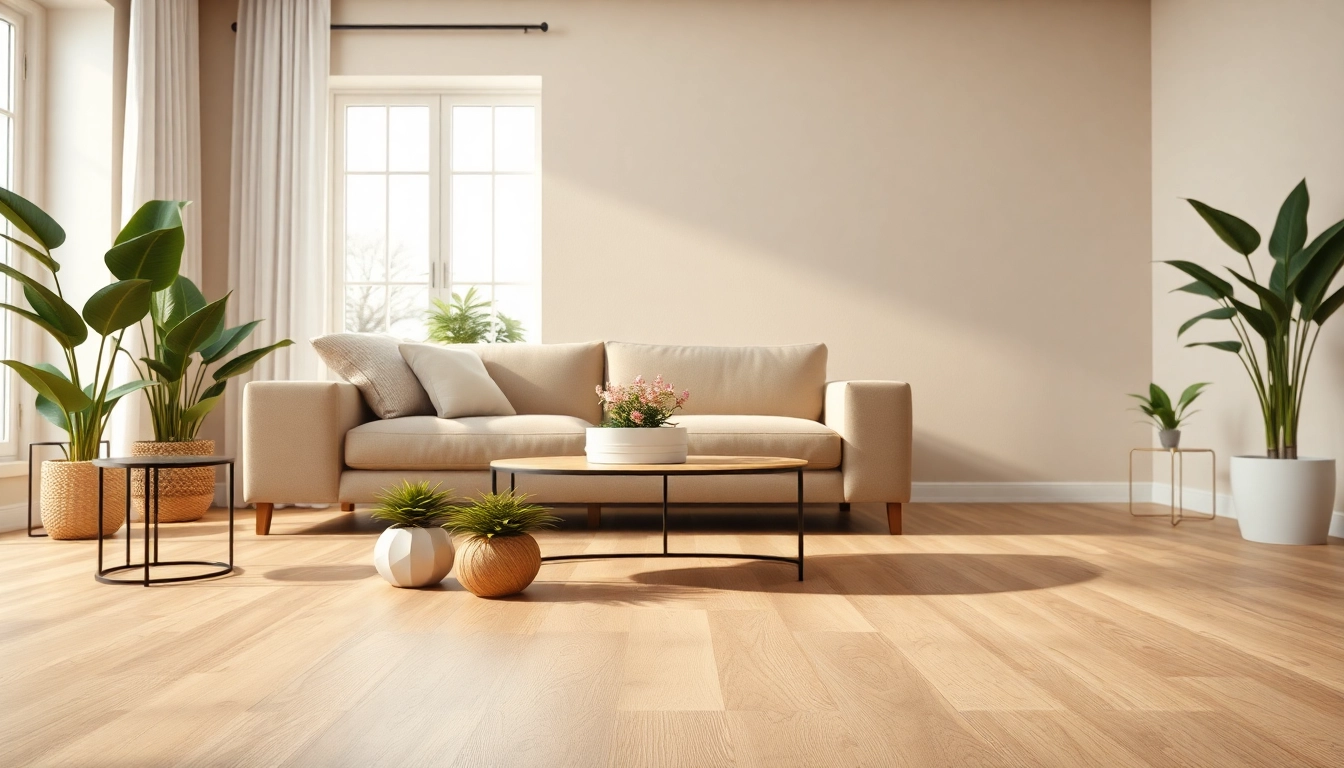
Cheap vinyl flooring is an affordable and versatile flooring solution made from synthetic materials, primarily polyvinyl chloride (PVC). It comes in various styles, colors, and textures, mimicking the appearance of natural materials such as wood or stone while providing a cushioned feel underfoot. Cheap vinyl flooring is popular for its durability, water resistance, and ease of maintenance. These properties make it an attractive option for homeowners seeking to enhance their interiors without breaking the bank. If you’re looking for quality yet economical flooring choices, you might want to explore options such as cheap vinyl flooring.
Types of Cheap Vinyl Flooring Options
When selecting cheap vinyl flooring, it’s important to understand the various types available. This category generally includes the following options:
- Vinyl Sheet Flooring: This type comes in large sheets, typically 6 or 12 feet wide. It’s seamless and can effectively resist water, making it ideal for bathrooms and kitchens.
- Vinyl Plank Flooring: Resembling hardwood, vinyl plank flooring features planks that interlock for easy installation. They offer a stylish look while still being budget-friendly.
- Vinyl Tiles: Available in squares, vinyl tiles come in various designs and can be arranged in patterns to add personality and uniqueness to a space. They are also suitable for DIY projects.
- Luxury Vinyl Tile (LVT): Though slightly more expensive than standard vinyl options, LVT offers enhanced visual appeal and durability. It’s a popular choice for high-traffic areas.
Benefits of Choosing Cheap Vinyl Flooring
Opting for cheap vinyl flooring provides several advantages that make it an appealing choice for many homeowners:
- Affordability: The primary draw of cheap vinyl flooring is its cost-effectiveness, making it accessible for those on a budget.
- Durability: Vinyl flooring is designed to withstand wear and tear, ensuring longevity even in high-traffic areas.
- Water Resistance: Many vinyl options are water-resistant, making them ideal for moisture-prone spaces like kitchens and bathrooms.
- Easy Installation: Many varieties provide DIY-friendly installation, reducing labor costs.
- Low Maintenance: Simple cleaning with a damp mop or cloth is often sufficient to keep the flooring looking new.
Choosing the Right Cheap Vinyl Flooring for Your Home
Factors to Consider When Selecting Vinyl Flooring
When deciding on cheap vinyl flooring, several factors should guide your selection process:
- Room Use: Consider where the vinyl flooring will be installed. High-traffic areas may benefit from more durable options, while low-traffic areas can utilize lighter-duty products.
- Moisture Levels: For spaces prone to moisture, like bathrooms and laundries, choose a water-resistant option to prevent warping and damage.
- Style and Design: Consider the overall aesthetic of your home. Vinyl flooring comes in an array of colors and patterns that can complement your existing décor.
- Installation Type: Assess whether you prefer glue-down, click-lock, or loose-lay installation methods based on your DIY skills and time allowance.
How to Match Cheap Vinyl Flooring with Your Décor
Achieving a cohesive look in your home involves careful consideration of how your cheap vinyl flooring interacts with your existing décor. Here are some tips:
- Color Coordination: Choose flooring that either matches or complements the wall color and furnishings. Lighter shades can create a spacious feel, while darker tones add warmth.
- Texture Compatibility: Pair the texture of your flooring with furniture and accessories. For instance, if you have sleek modern furniture, a smooth vinyl surface will match well.
- Pattern Play: Use patterns on the flooring to create focal points in a room, especially when combined with neutral furniture for balance.
- Theme Consistency: Ensure the style—whether rustic, modern, or minimalist—of the vinyl flooring aligns with the overall theme of your home.
Estimating Costs: Budgeting for Cheap Vinyl Flooring
Budgeting for cheap vinyl flooring doesn’t have to be a daunting task. Start by considering these key points:
- Material Costs: Expect to pay between $1 to $5 per square foot, depending on the type and brand of vinyl you choose.
- Additional Expenses: Factor in costs for underlayment, adhesive (if necessary), and any tools needed for installation.
- Labor Costs: If you hire professionals, account for an additional $1 to $3 per square foot for labor, depending on the complexity of the installation.
- Long-term Savings: While initial investments matter, consider durability and maintenance costs that contribute to your home’s overall value.
Installation Process for Cheap Vinyl Flooring
Preparing Your Space for Vinyl Flooring Installation
Preparation is key to a successful vinyl flooring installation. Here’s how to ensure your space is ready:
- Clear the Area: Remove all furniture, appliances, and old flooring materials to expose the subfloor.
- Clean the Subfloor: Ensure that the subfloor is clean, dry, and free of debris and contaminants that could affect adhesion.
- Inspect for Damage: Check for any repairs needed in the subfloor. A smooth and even surface is crucial for proper installation.
- Acclimation: Allow the vinyl flooring to acclimate to the room’s temperature and humidity for at least 48 hours before installation.
Step-by-Step Guide to Installing Cheap Vinyl Flooring
Installing cheap vinyl flooring can be accomplished with the right approach. Here’s a straightforward guide:
- Lay the Underlayment: If required, roll out the underlayment, ensuring it’s flat and adheres properly to the subfloor.
- Cutting the Vinyl: Measure and cut the vinyl sheets or planks to fit your space, leaving a small gap around the edges for expansion.
- Placement: For adhesive vinyl, spread adhesive on the subfloor using a trowel, then lay down the vinyl. If using soft-lock planks, simply click them together.
- Smoothing Out: Use a roller to press down the flooring and eliminate air bubbles, ensuring good adhesion to the subfloor.
- Finishing Touches: Reinstall baseboards and thresholds to secure the edges of the vinyl flooring, giving it a polished look.
Common Mistakes to Avoid During Installation
Even seasoned installers can make errors. Here are common pitfalls to avoid:
- Skipping Acclimation: Failing to acclimate the vinyl can lead to buckling or gaps in your flooring post-installation.
- Skipping Underlayment: Not using underlayment on concrete or uneven surfaces can result in an uncomfortable and noisy flooring experience.
- Ignoring Directional Plank Placement: When installing vinyl planks, ensure they are oriented in the same direction to create a unified appearance.
- Not Allowing for Expansion: Always leave expansion gaps around walls to prevent the vinyl from warping with temperature and humidity changes.
Maintenance Tips for Durable Cheap Vinyl Flooring
Cleaning Guidelines for Vinyl Flooring
Keeping cheap vinyl flooring in top shape requires straightforward maintenance. Here are effective cleaning guidelines:
- Regular Sweeping: Sweep or vacuum regularly to prevent dirt and debris from scratching the surface.
- Cleansing Solution: Use a mixture of warm water and mild detergent for mopping. Avoid harsh chemicals that can damage the finish.
- Spot Cleaning: Address spills immediately with a soft cloth to prevent stains. For tough stains, use a vinyl-safe cleaner.
- Use Rugs and Mats: Place rugs in high-traffic areas and collect debris to minimize wear and tear on the flooring.
Long-Term Care Tips for Your Cheap Vinyl Flooring
To prolong the life of your cheap vinyl flooring, implement these long-term care strategies:
- Maintain Humidity Levels: Keep indoor humidity levels between 30% and 50% to minimize expansion or contraction.
- Rotate Furniture: Occasionally change the arrangement of heavy furniture to prevent indentation marks from forming.
- Avoid Excessive Water: While vinyl is water-resistant, avoid soaking it during cleaning to prevent water damage.
- Regular Inspections: Periodically check for signs of damage, such as scratches or tears, and address them promptly.
Recognizing and Repairing Damage on Vinyl Flooring
Even with proper maintenance, damage can occur. Here’s how to recognize and repair it:
- Identifying Scratches: Use a soft cloth to assess the floor; light scratches can often be buffed out with a soft cloth or specific vinyl flooring products.
- Repairing Torn Vinyl: For deeper cuts or tears, heat the edges with a hairdryer and apply vinyl adhesive to bond them back together.
- Replacing Damaged Planks: If a plank is beyond repair, carefully remove it and click in a new one, ensuring it matches the existing floor.
- Professional Help: For substantial damage or complex repairs, consider hiring a professional for a seamless fix.
FAQs About Cheap Vinyl Flooring
Is cheap vinyl flooring durable?
Yes, cheap vinyl flooring is durable and designed to withstand daily wear and tear. With proper maintenance, it can last over a decade.
Can cheap vinyl flooring be installed over existing floors?
In many cases, cheap vinyl flooring can be installed over existing floors, but ensure that the surface is flat, clean, and dry.
What are the best cleaning products for cheap vinyl flooring?
Mild detergent mixed with warm water is ideal for cleaning. Avoid abrasive cleaners that can scratch or damage the vinyl surface.
How can I prevent scratches on vinyl flooring?
Use furniture pads under heavy items, keep nails trimmed for pets, and place rugs at entrances to reduce dirt and debris.
Is cheap vinyl flooring waterproof?
Many types of cheap vinyl flooring are water-resistant, making them suitable for moisture-prone areas like kitchens and bathrooms.