Understanding Food Storage Containers with Lids
As kitchens become hubs of culinary creativity, the importance of effective food storage cannot be overstated. Food storage containers with lids are essential tools that help keep ingredients fresh, make meal prep easier, and ensure that your kitchen remains organized. In this comprehensive guide, we’ll explore the various types of food storage containers, their unique features, and how they can enhance your cooking experience while reducing waste.
What Are Food Storage Containers?
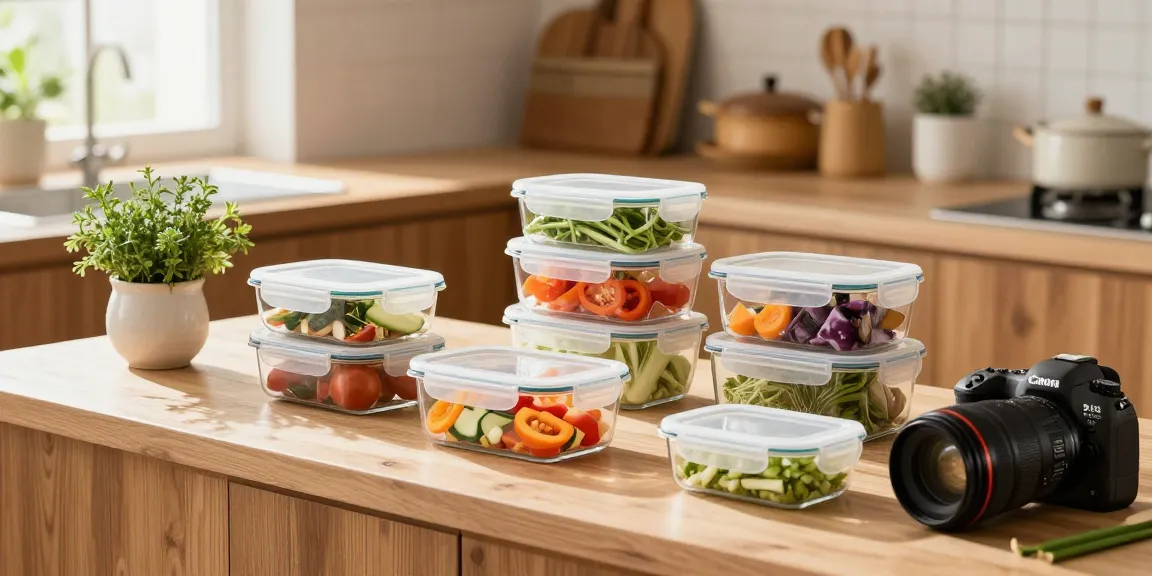
Food storage containers are specialized vessels designed to store and preserve food items. They can be made from various materials, including plastic, glass, and metal, each offering distinct benefits. Containers come in various shapes and sizes, catering to different storage needs, from leftovers to dry pantry items. Investing in quality containers ensures that your food stays fresh longer and minimizes the risk of spoilage.
Key Features to Look For
- Airtight Seals: Look for containers that feature airtight lids to prevent air and moisture from entering, which can spoil food.
- Stackability: Choose containers that can be stacked easily to save space in your kitchen.
- Material Safety: Ensure the containers are made from BPA-free materials, especially when storing food.
- Microwave and Dishwasher Safe: Containers that can withstand high temperatures and are easy to clean add convenience to your kitchen routine.
Benefits of Using Quality Containers
Using high-quality food storage containers can bring numerous advantages to your kitchen. Not only do they help maintain the freshness of your food, but they also contribute to a more organized kitchen. When exploring options, food storage containers with lids offer comprehensive insights into durability and design. These containers enable portion control, simplify meal prep, and can reduce food waste, making them an essential component of any well-equipped kitchen.
Types of Food Storage Containers with Lids
Glass vs. Plastic: What’s Best for You?
The choice between glass and plastic food storage containers largely depends on personal preference and intended use. Glass containers are typically more durable and can withstand higher temperatures, making them an excellent choice for heating food in the microwave or oven. They are also non-porous, which means they won’t absorb odors or stains. On the other hand, plastic containers are lighter and often more affordable, making them user-friendly for everyday use.
Airtight Containers: Why They Matter
Airtight containers are essential for preserving the quality and freshness of stored food. By preventing air exchange, these containers reduce the likelihood of oxidation and moisture, which can lead to spoilage. Many high-quality airtight containers feature silicone seals or locking mechanisms to ensure a tight fit, making them ideal for long-term storage.
Specialized Containers for Different Needs
There are specialized food storage containers designed for specific types of food. For instance, containers with built-in dividers are perfect for meal prepping, while containers with compartments work well for snacks or lunches. Additionally, vacuum-sealed containers are excellent for preserving meats or bulk items, preventing freezer burn while maximizing shelf life.
Choosing the Right Food Storage Containers
Consider Your Cooking Habits
Your cooking habits can significantly influence the type of food storage containers you need. If you often prepare meals in bulk, opt for larger containers or sets with various sizes to accommodate different portions. On the other hand, if you primarily store leftovers, smaller, stackable containers may be more suitable.
Size and Capacity Considerations
It’s essential to consider the size and capacity of the containers you choose. A good rule of thumb is to have a mix of small, medium, and large containers to accommodate different food items. This variety allows for versatile storage options, ensuring that everything from small portions of sauces to larger salads can be safely stored.
Eco-Friendly Options: Sustainable Choices
Increasingly, consumers are looking for eco-friendly food storage solutions. Many brands now offer containers made from sustainable materials, such as glass or BPA-free recycled plastics. Investing in these eco-friendly options not only helps reduce waste but also aligns with a more environmentally conscious lifestyle.
Care and Maintenance of Food Storage Containers
How to Clean and Maintain Containers Properly
Keeping your food storage containers clean is vital to ensuring food safety. Most containers are dishwasher-safe, but hand washing can extend their lifespan, especially for glass options. Regularly check seals and lids for wear and replace them when necessary to maintain airtight properties.
Storing Containers: Best Practices
To keep your kitchen organized, consider storing containers nested within each other to save space. This practice reduces clutter and makes it easy to grab the container you need when cooking. Additionally, label each container with a label maker or masking tape to identify contents and dates easily.
Identifying When to Replace Your Containers
Over time, food storage containers may show signs of wear and tear, such as scratches, stains, or warping. If your containers no longer seal properly or are damaged, it’s time to replace them. Regularly assessing your storage solutions will ensure that you have reliable options for maintaining food freshness.
Future Trends in Food Storage Containers
Innovative Designs and Materials for 2026
The food storage container industry is evolving rapidly, with new materials and designs continually emerging. Look for innovations such as containers made from biodegradable materials or those with built-in technology to monitor food freshness.
Smart Technology Integration in Kitchenware
Smart technology is making its way into the kitchen, and food storage is no exception. Containers that connect to smartphones, providing alerts when food is about to spoil, are becoming more popular. This technology allows users to track their inventory and reduce waste effectively.
Consumer Preferences Shaping the Market
As consumer awareness around sustainability and health increases, brands are responding by prioritizing eco-friendly materials and multifunctional designs. Expect to see more containers that focus on both style and utility, making kitchen organization a seamless part of everyday life.
What Are the Best Food Storage Containers with Lids?
The best food storage containers will depend on your personal needs, preferences, and cooking habits. Look for well-reviewed options that match your requirements in terms of size, materials, and features. Brands like Bright Links USA provide a variety of high-quality containers that cater to different culinary lifestyles.
How Do I Choose the Perfect Food Storage Solution?
To choose the perfect food storage solution, consider factors such as the types of food you frequently store, available kitchen space, and personal storage preferences. Reading consumer reviews and product comparisons can also provide valuable insights into the best products on the market.
How Do Airtight Containers Keep Food Fresh?
Airtight containers create a seal that prevents air, moisture, and contaminants from entering the container. This helps slow down the oxidation process and keeps food fresh for longer periods. Using these containers properly can significantly minimize spoilage and food waste in your kitchen.
Are Glass Containers Safe for Freezing?
Yes, glass containers are generally safe for freezing, provided they are specifically designed for this purpose. Look for containers labeled as freezer-safe to ensure they can withstand lower temperatures without cracking or breaking.
What Makes Eco-Friendly Containers Better?
Eco-friendly containers are typically made from sustainable materials, reducing the environmental impact associated with traditional plastic products. They often feature durability and safety, making them a healthier choice for food storage and an environmentally responsible option.