
Understanding Peptides and Their Role in Health
What Are Peptides?
Peptides are short chains of amino acids, which are the building blocks of proteins. They typically consist of between two and fifty amino acids linked by peptide bonds. Within the body, these bioactive compounds play critical roles in numerous biological functions, impacting everything from hormonal regulation to immune response. Unlike proteins, which are large molecules that can be comprised of hundreds or thousands of amino acids, peptides’ smaller size allows them to interact more easily with cell receptors, facilitating quick and effective biochemical responses.
Functions of Peptides in the Body
Peptides serve various functions in the body, largely dictated by their structure and sequence of amino acids. They act as neurotransmitters, hormones, and signaling molecules that modulate diverse physiological processes. For instance, the peptide hormone insulin regulates glucose metabolism, while endorphins, which are neuropeptides, help to relieve pain and induce feelings of pleasure. Additionally, antimicrobial peptides are crucial for immune defense, providing a first line of protection against pathogens.
The Importance of Research on Peptides
Research into peptides is vital for modern medicine, as scientists continuously uncover their potential therapeutic applications. Understanding how peptides function at a molecular level can lead to the development of novel treatments for a myriad of conditions, including metabolic disorders, cardiovascular issues, and inflammatory diseases. The ongoing exploration in peptide science paves the way for innovations like peptide-based drugs that can target specific diseases more effectively than traditional therapies.
Diving Deep into KLOW: A Research Focus
Overview of KLOW in Peptide Science
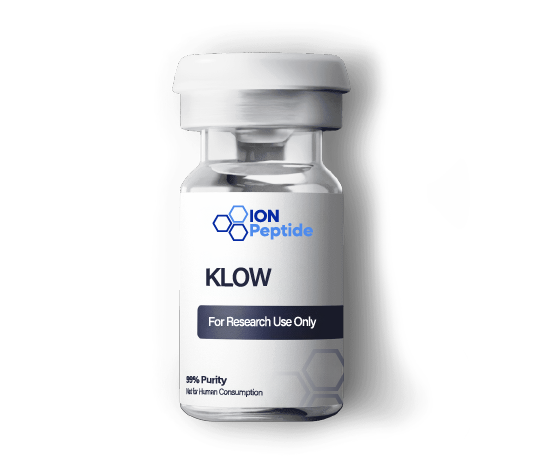
KLOW is an innovative peptide that has been garnering attention in the field of peptide science. Characterized by its unique amino acid sequence, KLOW is being studied for its specific physiological effects, particularly in enhancing metabolic function and recovery processes. Researchers are looking at KLOW’s interactions within the body to identify how it might contribute to improved health outcomes and performance enhancements.
Mechanisms of Action for KLOW
The mechanisms through which KLOW operates appear to be multifaceted. Initial studies suggest that KLOW may influence cellular signaling pathways, enhance protein synthesis, and modulate cellular repair processes. By activating specific receptors, KLOW could potentially promote muscle growth, expedite recovery from physical exertion, and improve overall energy metabolism. Ongoing research is essential to fully elucidate KLOW’s actions at the molecular level.
Potential Applications of KLOW in Medicine
The therapeutic potential of KLOW spans several medical disciplines. In sports medicine, it may be utilized to enhance recovery and performance among athletes. Furthermore, KLOW’s role in metabolic regulation suggests possibilities for treating conditions such as obesity or diabetes. Its properties also open up avenues for exploration in conditions characterized by inflammation or tissue damage, where promoting faster recovery can significantly impact patient outcomes.
Current Trends in Peptide Development
Recent Advances in Peptide Research
The field of peptide research is evolving rapidly. Recent advances include sophisticated synthesis techniques that enable the creation of peptides with unparalleled precision. Additionally, new analytical methods facilitate better understanding of peptide interactions at the cellular level, allowing researchers to explore their potential therapeutic efficacy more comprehensively. Moreover, the rise of personalized medicine has propelled targeted peptide therapies into the spotlight, tailoring treatments to the genetic profiles of patients.
Comparative Studies of Peptide Efficacy
Comparative studies are crucial for establishing the efficacy of various peptides in clinical applications. Research teams are systematically evaluating different peptides, including KLOW, to assess their effects relative to each other and to traditional treatment modalities. These studies provide invaluable data that can aid medical practitioners in selecting the most effective peptide therapies for patient care based on empirical evidence.
Integrating Technology into Peptide Research
Technology is playing an increasingly vital role in peptide research. Advanced tools such as machine learning algorithms and bioinformatics are aiding researchers in predicting peptide structure-function relationships, which enhances the drug design process. Innovations in nanotechnology also support the delivery and efficacy of peptide-based therapies, ensuring that these compounds reach their intended targets effectively within the body.
Implementing Peptide Innovations in Health Practices
Best Practices for Using Peptides
The application of peptides in health practices demands adherence to established protocols and guidelines. Healthcare providers should ensure that peptides are sourced from reputable manufacturers and that appropriate dosing regimens are followed. Regular monitoring and follow-up with patients are crucial to assess the efficacy of treatments and address any potential side effects. Making informed decisions based on peer-reviewed research can further optimize health outcomes.
Real-World Case Studies and Success Stories
Numerous case studies highlight the successful application of peptides in clinical settings. For example, athletes using KLOW have reported quicker recovery times and improved performance metrics. In another instance, patients with metabolic disorders have experienced better management of their conditions. These examples underscore the transformative potential of peptide therapies and may inspire further research into their applications across various health sectors.
Challenges in Peptide Application and Solutions
Despite their promise, peptide therapies come with challenges. Stability of peptides and their potential degradation in physiological conditions can limit their effectiveness. To address these issues, research is focusing on designing more stable peptide analogs and exploring innovative delivery systems, such as peptide conjugation to nanoparticles, that can enhance bioavailability and protect peptides from degradation.
Future Directions for Peptide Research
Emerging Areas of Study
Emerging areas in peptide research include investigating the role of peptides in neurodegenerative diseases and exploring their potential in cancer therapies. Researchers are also looking at the interplay between peptides and the microbiome, which could reveal new therapeutic strategies. Additionally, the potential of peptides in regenerative medicine is garnering interest, paving the way for innovative applications that could restore function in damaged tissues.
Collaborative Efforts in Peptide Research
Collaboration among researchers, institutions, and industries is vital to advancing peptide science. Joint initiatives can lead to shared knowledge resources, pooling results from diverse studies to form broader insights that can accelerate drug discovery processes. Collaborations also facilitate access to cutting-edge technologies that enhance research capabilities, thereby accelerating the pace of innovation.
Anticipating Innovations in Peptide-Based Therapies
As knowledge in peptide science expands, we can anticipate remarkable innovations that will shape the future of medicine. Advances may include next-generation peptides with enhanced specificity and fewer side effects, breakthrough delivery systems allowing for more effective treatments, and personalized peptide therapies tailored to individual patient profiles. The evolving field promises to unlock new possibilities in preventive medicine and chronic disease management.
Frequently Asked Questions
What is KLOW used for?
KLOW is a peptide being researched for its potential applications in enhancing metabolic function, recovery from exercise, and overall health benefits.
Are peptide therapies safe?
When sourced from reputable manufacturers and administered under medical supervision, peptide therapies can be safe. Monitoring for side effects is essential.
How is KLOW administered?
KLOW can typically be administered through subcutaneous injections, but dosage and frequency depend on individual medical needs and professional recommendations.
Can peptides replace traditional medications?
Peptides can complement traditional medications but should not necessarily replace them. Consultation with healthcare providers is crucial for treatment planning.
Where can I learn more about KLOW?
More information about KLOW, including its research and potential uses, can be found at KLOW.