Understanding Colonial Home Construction
Colonial home construction offers a unique blend of historical charm and modern functionality. Rooted in a rich architectural history, these designs often capture the essence of early American living while incorporating contemporary building practices. This article explores the enduring appeal of colonial homes, delves into their defining features, and offers practical insights for those considering colonial home construction.
History and Significance of Colonial Architecture
The Colonial architecture style emerged in the early stages of America, significantly influenced by European settlers from various regions, including England, Spain, and France. This architectural style reflects a period marked by simplicity, functionality, and a strong connection to the surrounding landscape. Traditional colonial homes were built to withstand the harsh climates and serve practical purposes in everyday life.
Most notably, the design aspects were often dictated by regional materials and local architectural customs. For instance, colonists in New England quickly adopted wooden structures, while those in the southern colonies gravitated towards brick. Over time, these homes became symbols of prosperity and stability, embodying a certain authenticity that many homeowners seek today.
Defining Features of Colonial Homes
Colonial homes are easily recognizable due to their distinctive features, which include:
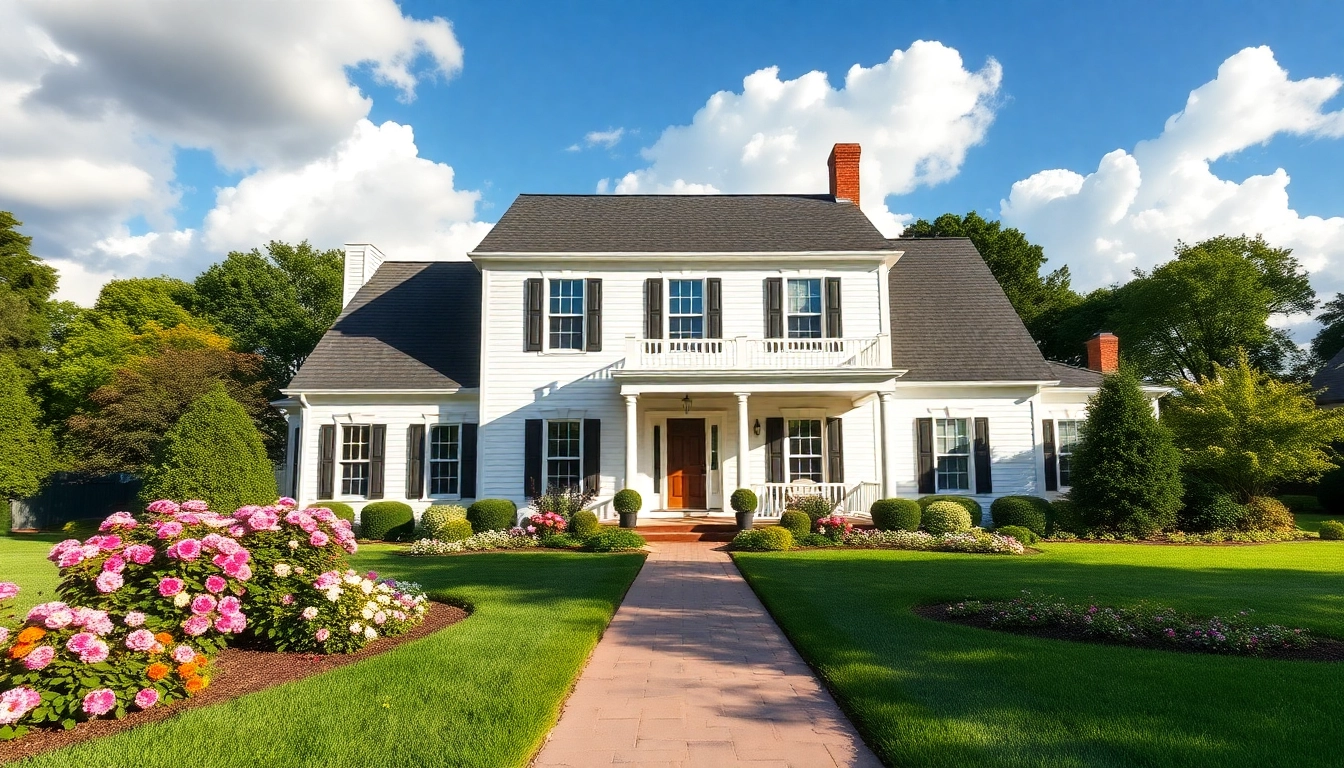
- Symmetry: Colonial homes are characterized by their symmetrical façades, often with central doors and evenly spaced windows.
- Gabled Roofs: These homes typically have steeply pitched roofs that can be gabled or hipped, contributing to their classic profile.
- Materials: Traditional materials include wood, brick, and stone, with each region adapting its construction based on available resources.
- Columns and Porches: Many colonial homes feature columns and spacious porches that offer both aesthetic appeal and functional outdoor space.
Popular Types of Colonial Home Styles
Colonial architecture encompasses several distinct styles, each reflecting unique historical influences. Some popular types include:
- Georgian Colonial: Known for its grandeur, this style features red brick, a central entrance, and a rectangular shape.
- Federal Colonial: Developed after the American Revolution, this style often includes classical elements such as decorative crowns and elaborate doorways.
- Cape Cod: A more modest style originating in New England, characterized by steep roofs, dormer windows, and shingle siding.
- Southern Colonial: Recognizable by large columns and wide porches, this style is designed to accommodate a warm coastal climate.
Planning Your Colonial Home Construction
Building a colonial home requires careful planning and consideration of various factors, from location to budget. Understanding these elements can streamline the construction process and ensure your vision is successfully realized.
Choosing the Right Location and Lot Size
The location of your colonial home significantly impacts its aesthetics and functionality. When selecting a site, consider the following:
- Land Topography: Flat or gently sloping land can simplify construction, while hilly terrains might require additional grading and foundation work.
- Surrounding Environment: Ensure that the surroundings complement the colonial style, with appropriate landscaping and neighboring structures.
- Access to Amenities: Proximity to schools, shopping centers, and parks enhances the livability of your new home.
Understanding Local Building Regulations
Awareness of local building codes and zoning laws is crucial when planning your colonial home construction. Each locality has specific regulations regarding:
- Setbacks: Regulations often dictate how far your home should be from the street and neighboring properties.
- Height Restrictions: Some areas have limitations on the height of homes to maintain a certain neighborhood aesthetic.
- Historical Preservation: If building in a historically significant area, additional guidelines may apply to ensure that new constructions respect the character of existing buildings.
Budgeting for Colonial Home Construction
Budgeting is a critical component of any construction project. Consider the following elements to develop a comprehensive budget:
- Land Costs: The cost of purchasing the lot can vary dramatically based on location and size.
- Materials and Labor: Traditional materials may be more expensive; consider whether modern alternatives can be used without compromising quality.
- Permitting Costs: Factor in costs associated with obtaining necessary permits and conducting inspections.
Materials for Colonial Home Construction
The materials selected for your colonial home construction play an essential role in achieving the desired aesthetic and functionality. Both traditional and modern options can enhance the quality and durability of your home.
Traditional Materials Used in Colonial Homes
Colonial homes have historically been built with specific materials that contribute to their classic appeal. These materials include:
- Wood: Predominantly used for framing, siding, and interior finishes, offering warmth and character.
- Brick: Common in southern colonial styles, brick adds durability and requires minimal maintenance.
- Stone: Often used for foundations or façades in Georgian-style homes, stone provides a timeless look and exceptional structural integrity.
Modern Alternatives: Combining Tradition with Innovation
While traditional materials have their advantages, modern alternatives can also benefit colonial home construction. Options include:
- Composite Materials: Synthetic products can mimic wood or stone aesthetics while offering enhanced durability and lower maintenance.
- Insulated Panels: These are energy-efficient options that can enhance thermal performance while providing a traditional exterior finish.
- Reclaimed Materials: Repurposing historical materials can provide a unique charm and reduce environmental impact.
Importance of Quality and Sustainability
Ensuring the quality and sustainability of materials is paramount for long-term satisfaction and environmental responsibility. Prioritize the following:
- Quality Assurance: Select reputable suppliers and contractors focused on delivering high-quality materials and craftsmanship.
- Sustainable Practices: Consider materials with low environmental impact, such as sustainably harvested wood or recycled products.
- Energy Efficiency: Invest in energy-efficient windows, insulation, and systems to reduce long-term utility costs and enhance comfort.
Design Considerations for Colonial Home Construction
Designing a colonial home involves several crucial considerations that affect its overall appeal, functionality, and livability.
Interior Layout and Functionality
When designing the interior of a colonial home, focus on creating functional spaces that reflect the lifestyle of its inhabitants. Considerations include:
- Open Floor Plans: While traditional colonial homes often feature separate rooms, some modern adaptations incorporate open layouts for kitchen and living areas.
- Flexible Spaces: Incorporate versatile rooms that can serve multiple functions, such as guest rooms or home offices.
- Natural Light: Design window placements to maximize natural light and reduce reliance on artificial lighting.
Exterior Aesthetics: Colors and Finishes
The exterior of your colonial home should harmonize with the surrounding environment while reflecting classic architectural elements. Key considerations include:
- Color Schemes: Choose color palettes that complement the historical context, such as muted tones or classic whites and blues.
- Finish Materials: Consider combining textures, such as brick and wood, or enhancing with accents like shutters or decorative moldings.
Landscaping Ideas That Complement Colonial Homes
Landscaping plays a vital role in enhancing the overall appeal of a colonial home. Some effective ideas include:
- Symmetrical Planting: Frame the home by planting shrubs or trees in symmetrical designs to echo the architectural symmetry.
- Classic Walkways: Utilize stone or brick pathways that lead to the front entrance, enhancing the historical charm.
- Formal Gardens: Consider incorporating formal gardens that reflect the structured nature of colonial landscaping.
Maintaining Colonial Homes Post-Construction
Proper maintenance is crucial for ensuring the longevity and structural integrity of your colonial home. Regular care can prevent problems and enhance property value.
Regular Maintenance Tips for Longevity
To keep your colonial home in top condition, adopt a routine maintenance schedule. Key tasks include:
- Exterior Inspections: Regularly check the roof, siding, and foundation for signs of damage or wear.
- Seasonal Maintenance: Perform seasonal tasks such as gutter cleaning, window sealing, and landscaping upkeep.
- Painting and Staining: Schedule periodic repainting or staining to protect wood surfaces and maintain aesthetic appeal.
Restoration Techniques for Historic Colonial Homes
If you own a historic colonial home, restoration may be necessary to preserve its integrity and charm. Effective strategies include:
- Historical Research: Understand the original design and materials used to maintain authenticity during restoration.
- Certified Professionals: Engage experts in historic restoration to handle specialized tasks without compromising the home’s value.
- Use of Authentic Materials: Whenever possible, use original construction materials to preserve historical accuracy.
Enhancing Property Value Through Proper Care
Proper care and maintenance not only extend the life of your colonial home but also enhance its value in the real estate market. Prioritize:
- Curb Appeal: Invest in landscaping and exterior improvements that enhance first impressions.
- Documenting Maintenance: Keep records of maintenance and upgrades to provide potential buyers with insights into the home’s care.
- Energy Efficiency Updates: Incorporating eco-friendly upgrades can significantly increase market appeal and increase resale value.
Frequently Asked Questions
What is the best location for a colonial home?
The ideal location features a flat lot with good access to amenities, historical context, and a neighborhood that complements colonial aesthetics.
How can I modernize my colonial home?
Modernize your colonial home by incorporating open floor plans, updating fixtures, and using contemporary materials that maintain historical integrity.
What are common materials used in colonial home construction?
Common materials for colonial homes include wood, brick, and stone, often selected for their durability and aesthetic appeal.
How long does it take to build a colonial home?
Construction time varies; generally, it takes 6-12 months, depending on design complexity, site conditions, and permitting processes.
What is essential for maintaining a colonial home?
Regular inspections, seasonal maintenance tasks, and prompt repairs are vital for keeping a colonial home in excellent condition.