
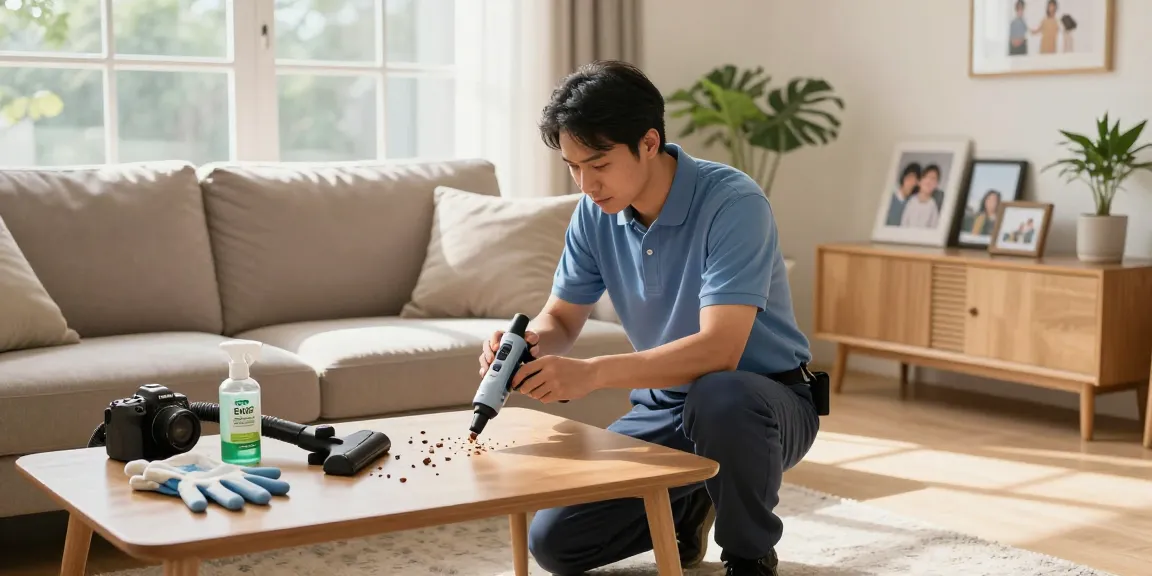
Understanding Bed Bugs: The Silent Invaders
Bed bugs are small yet formidable pests that have become a growing concern for homeowners and renters alike. With their ability to reproduce rapidly and hide in various nooks and crannies, these nocturnal invaders can create significant challenges for property owners. They hitch rides on luggage, used furniture, and clothing, allowing them to spread quickly from one location to another. In Milwaukee, where many people live in close quarters, the risk of encountering bed bugs is ever-present. Understanding these pests is crucial for effective prevention and treatment.
What Are Bed Bugs?
Bed bugs, scientifically known as Cimex lectularius, are parasitic insects that feed exclusively on the blood of humans and animals. Adult bed bugs have a flat, oval-shaped body that is typically brown or reddish-brown, about the size of an apple seed. Their body shape allows them to conceal themselves in narrow spaces, making detection difficult until infestations are severe. A key feature of bed bugs is their resilience; they can survive for months without feeding, which complicates eradication efforts.
How Bed Bugs Travel and Spread
One of the most concerning aspects of bed bugs is how adept they are at traveling. They can easily latch onto clothing, luggage, or even personal items to move from one location to another. This behavior is compounded by their ability to hide in small crevices, such as seams of mattresses, behind baseboards, and inside furniture. When exploring options, a bed bug exterminator can provide comprehensive insights into how to control and prevent these pests from spreading further.
Common Signs of Infestation
The first step in addressing a bed bug problem is identifying the signs of an infestation. Homeowners should be vigilant for:
- Itchy, red welts appearing on the skin, often in clusters or lines.
- Dark spots (fecal matter) on bedding or furniture.
- Small blood stains on sheets, which can occur when bed bugs are crushed.
- An unmistakable musty odor emitted by bed bugs and their eggs.
Choosing the Right Bed Bug Exterminator
When facing a bed bug infestation, selecting the right exterminator is critical. Not all pest control services are equipped to handle specific bed bug treatments effectively. As a homeowner, understanding what to look for can save you time and money in the long run.
Qualities of a Professional Exterminator
A reputable bed bug exterminator should possess several key qualities: a solid track record, specialized knowledge in dealing with bed bugs, and a transparent process outlining treatment methods. Additionally, they should be able to provide references and customer testimonials. It’s crucial to choose an exterminator who employs safe and effective techniques, minimizing any risk to your family or pets.
Comparing Treatment Options
It’s essential to understand the various treatment methods available for bed bug eradication. The two most common options are chemical treatments and heat treatments. Each method has its pros and cons:
- Chemical Treatments: These involve the use of various insecticides that create a residual barrier against bed bugs. They tend to be effective for long-term protection against reinfestation.
- Heat Treatments: This is an eco-friendly option that raises the temperature of the infested area to a level that is lethal to bed bugs at all life stages, including eggs.
Customer Reviews and Trustworthiness
When selecting a bed bug exterminator, consider their reputation and customer feedback. Through online reviews and ratings, you can gauge the effectiveness and reliability of their services. Trustworthy exterminators will be open to sharing their past results and will likely have a list of satisfied customers.
Effective Bed Bug Treatments Available
Knowing about the prevention and treatment options available can empower homeowners to take timely action against bed bug infestations. Here’s a closer look at the most effective treatments for bed bugs you should consider.
Heat Treatment Explained
Heat treatments are increasingly popular due to their effectiveness and eco-friendly nature. The process involves raising the interior temperature of the infested area to between 120°F and 140°F for several hours. This temperature is sufficient to kill bed bugs in all life stages, including eggs, thus preventing future infestations. Homeowners often appreciate that this method does not require chemical pesticides, making it safer for families and pets.
Chemical Spray Treatments: What to Expect
Chemical sprays are designed to create a protective barrier that reduces the chances of reinfestation. A professional exterminator will apply commercial-grade insecticides that can last up to 120 days. While it may require some preparation on your part, such as cleaning and decluttering the treatment area, the results can be dramatic.
Combination Approaches for Better Results
Combining heat and chemical treatments can offer the most effective results, especially in severe infestations. Using both methods ensures that all bed bugs and their eggs are eliminated, significantly reducing the chance of re-infestation. A comprehensive approach, tailored to your specific needs, will provide lasting peace of mind.
Preventing Future Infestations
Once you have successfully eradicated bed bugs from your home, it’s essential to implement preventive measures to avoid future issues. Prevention is often less costly and less stressful than dealing with an infestation.
Best Practices for Homeowners
Here are several practical tips to prevent bed bugs from invading your space:
- Regularly inspect your home, paying close attention to common hiding spots.
- When traveling, inspect hotel rooms and keep luggage elevated off the floors and bed.
- Consider using bed bug-proof mattress and pillow encasements.
- Seal cracks and crevices in walls, floors, and furniture that could serve as entry points for bed bugs.
Regular Monitoring Techniques
Setting traps and using monitoring devices can help detect bed bugs early, making treatment more manageable and effective. Regular inspections of your home can help identify potential issues before they escalate, keeping your living space safe.
Educating Others About Bed Bugs
Education is key to preventing the spread of bed bugs. Share information about identification, symptoms, and prevention techniques with friends, family, and neighbors. The more awareness there is about bed bugs, the better communities can work together to minimize infestations.
FAQs About Bed Bug Treatments
Despite being a common issue, many misunderstandings surround bed bug treatments. Below are some frequently asked questions regarding these pests and their eradication:
Is an exterminator worth it for bed bugs?
Absolutely. In fact, bed bugs can cost homeowners thousands of dollars in damage each year. That’s why investing in professional bed bug control is not only worth the bed bug exterminator cost but also the most effective approach to protecting your home.
Can an exterminator completely get rid of bed bugs?
Yes, a professional bed bug exterminator has access to methods and products that are not available to the general public. When treatments are executed properly, they can eliminate bed bugs entirely, although it may require several visits depending on the severity of the infestation.
How often should bed bug treatments be repeated?
In cases of severe infestation, treatments may need to be repeated multiple times. An exterminator can recommend a schedule based on the effectiveness of the initial treatment and the level of infestation.